Schlagwort: zeitgenössische Kunst kaufen

  • The New and Eternal Covenant | Der neue und ewige Bund

    The New and Eternal Covenant | Der neue und ewige Bund

    Der neue und ewige Bund von Martin Burri

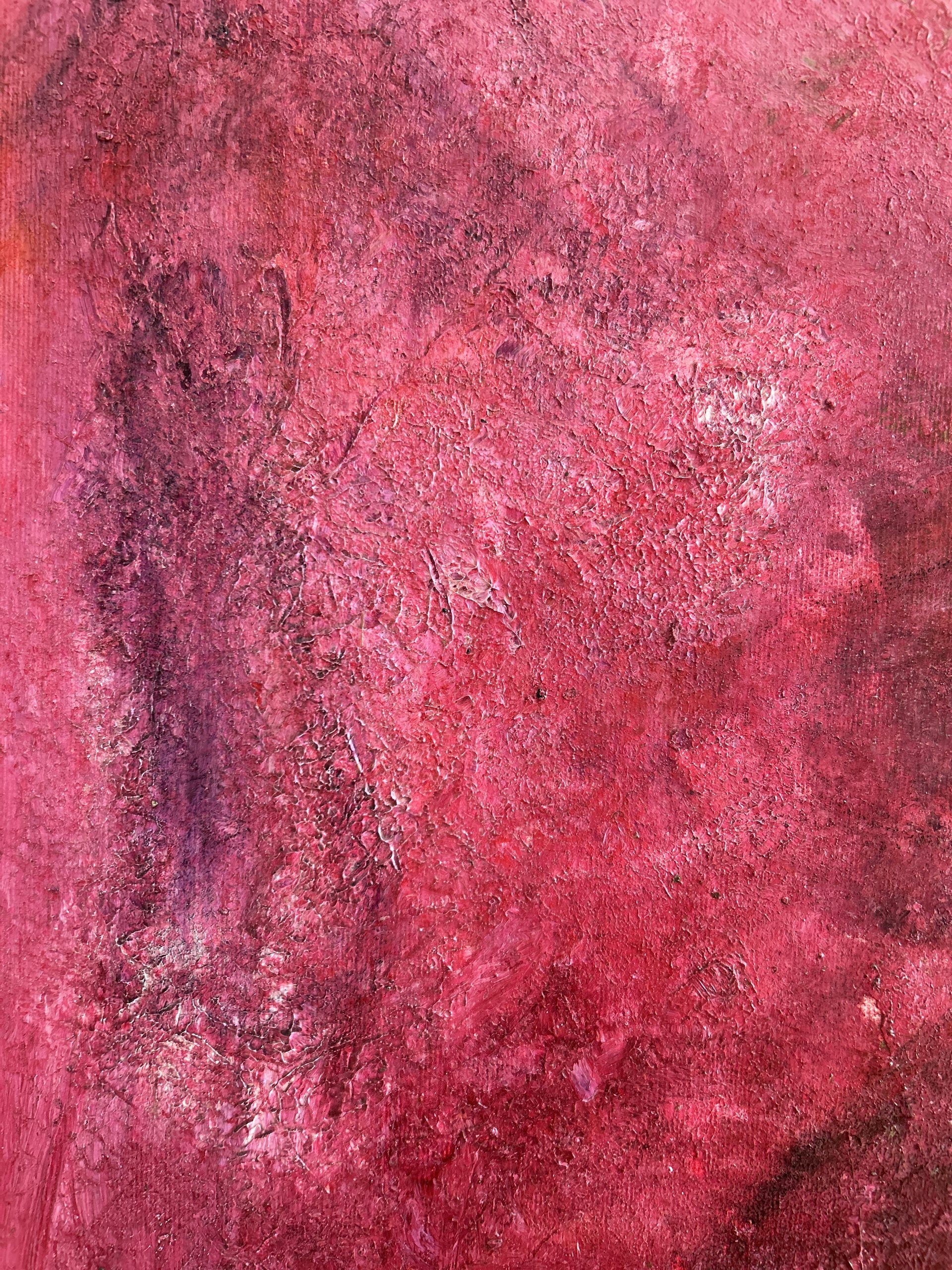
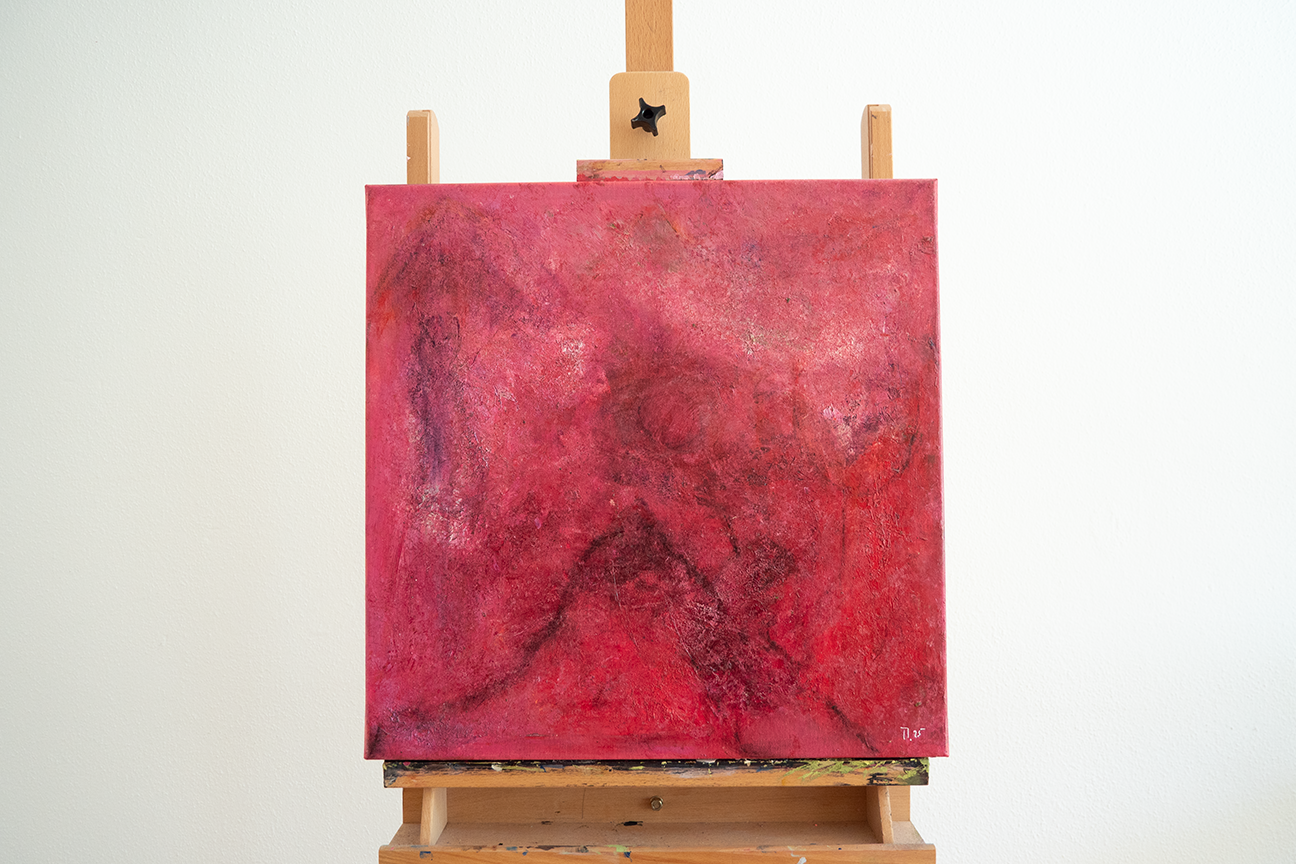
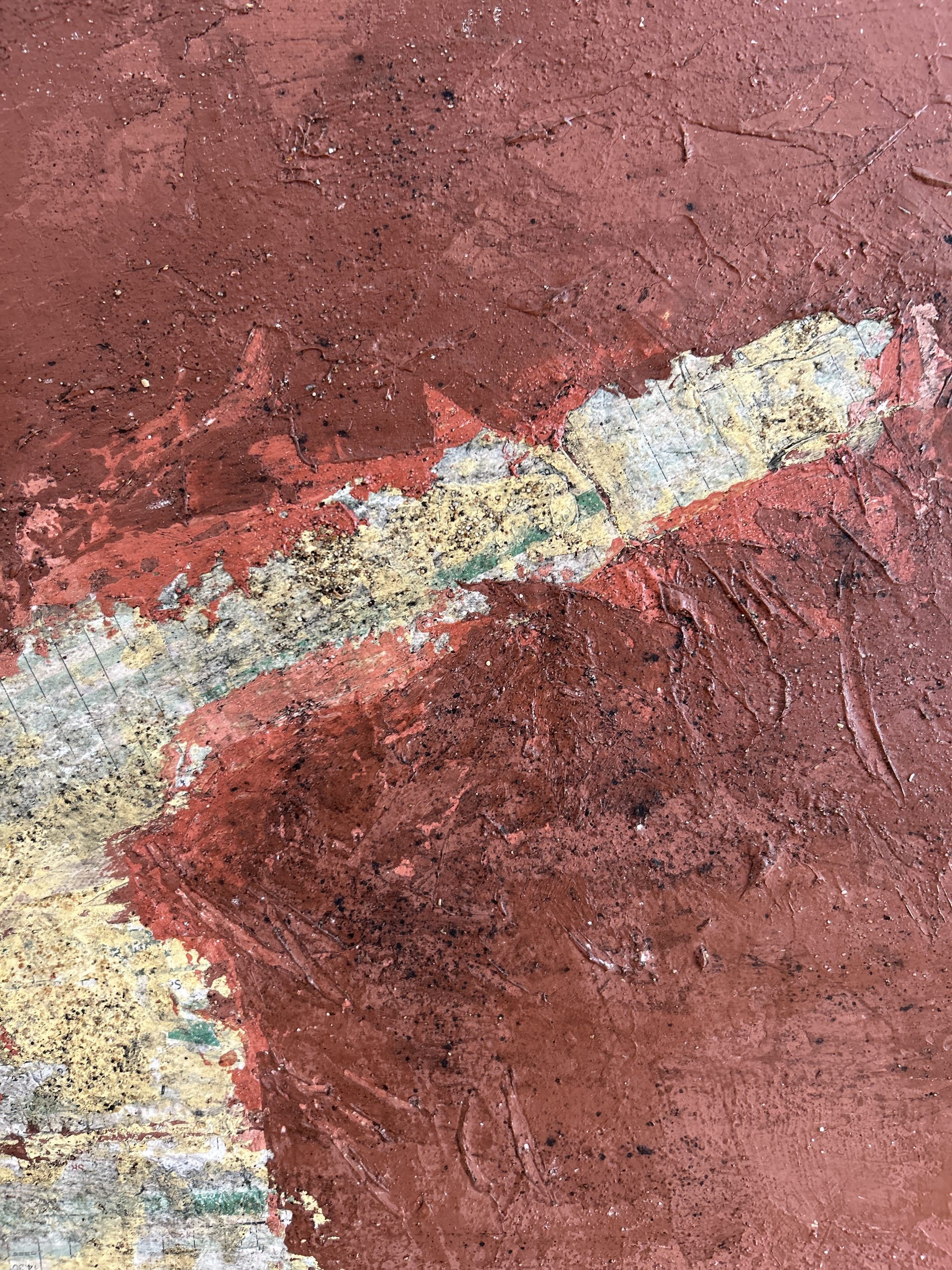
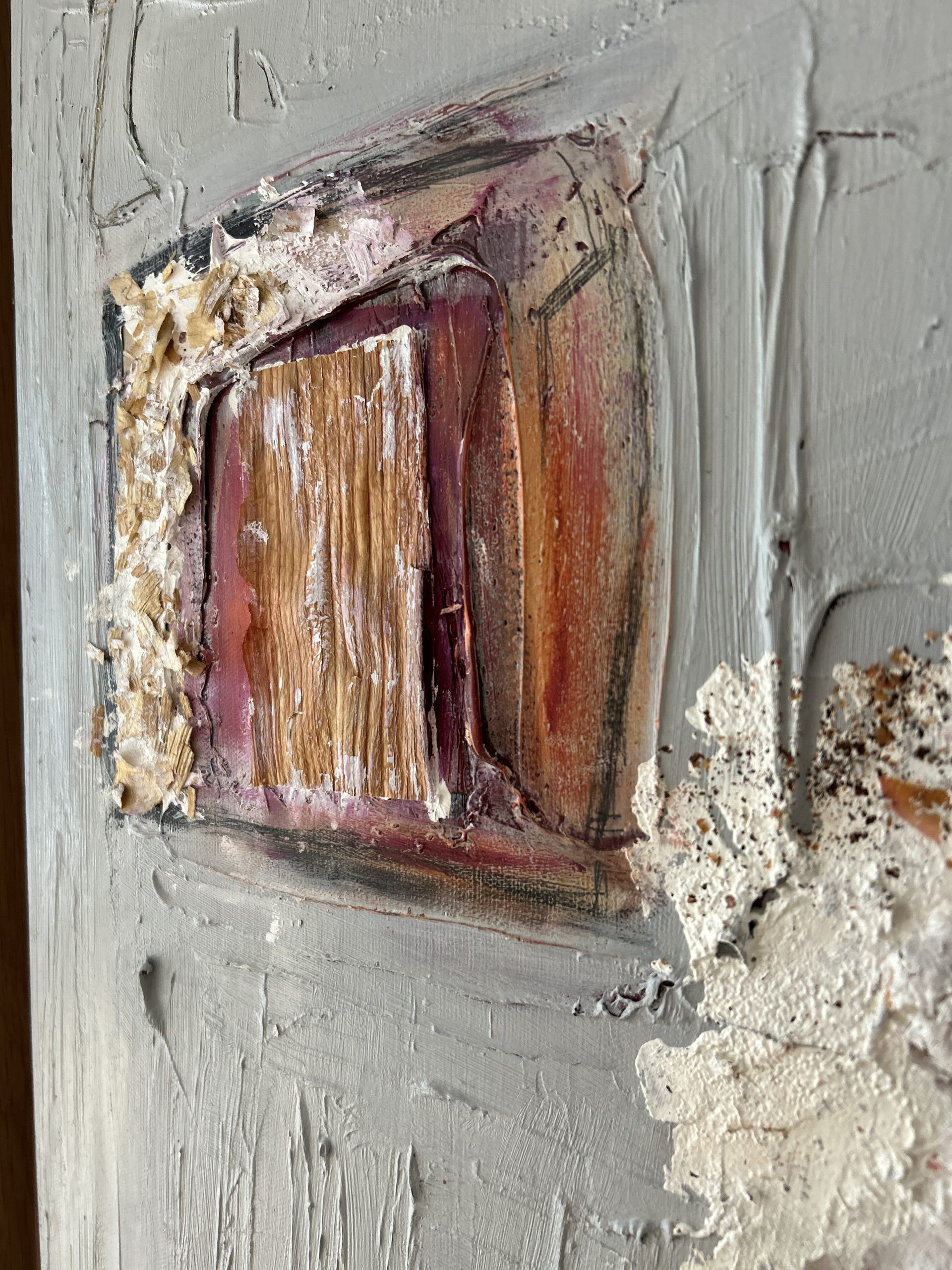
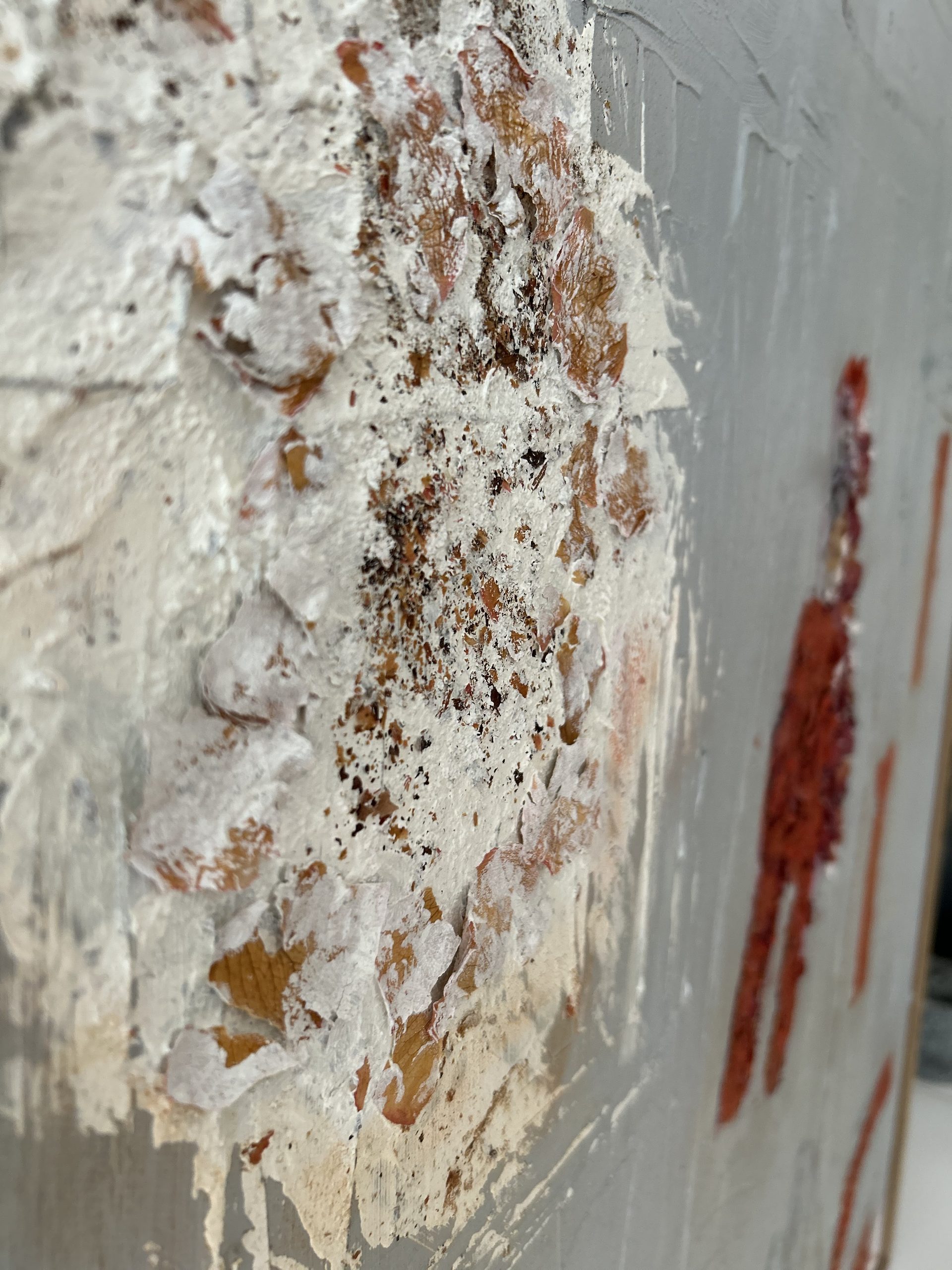
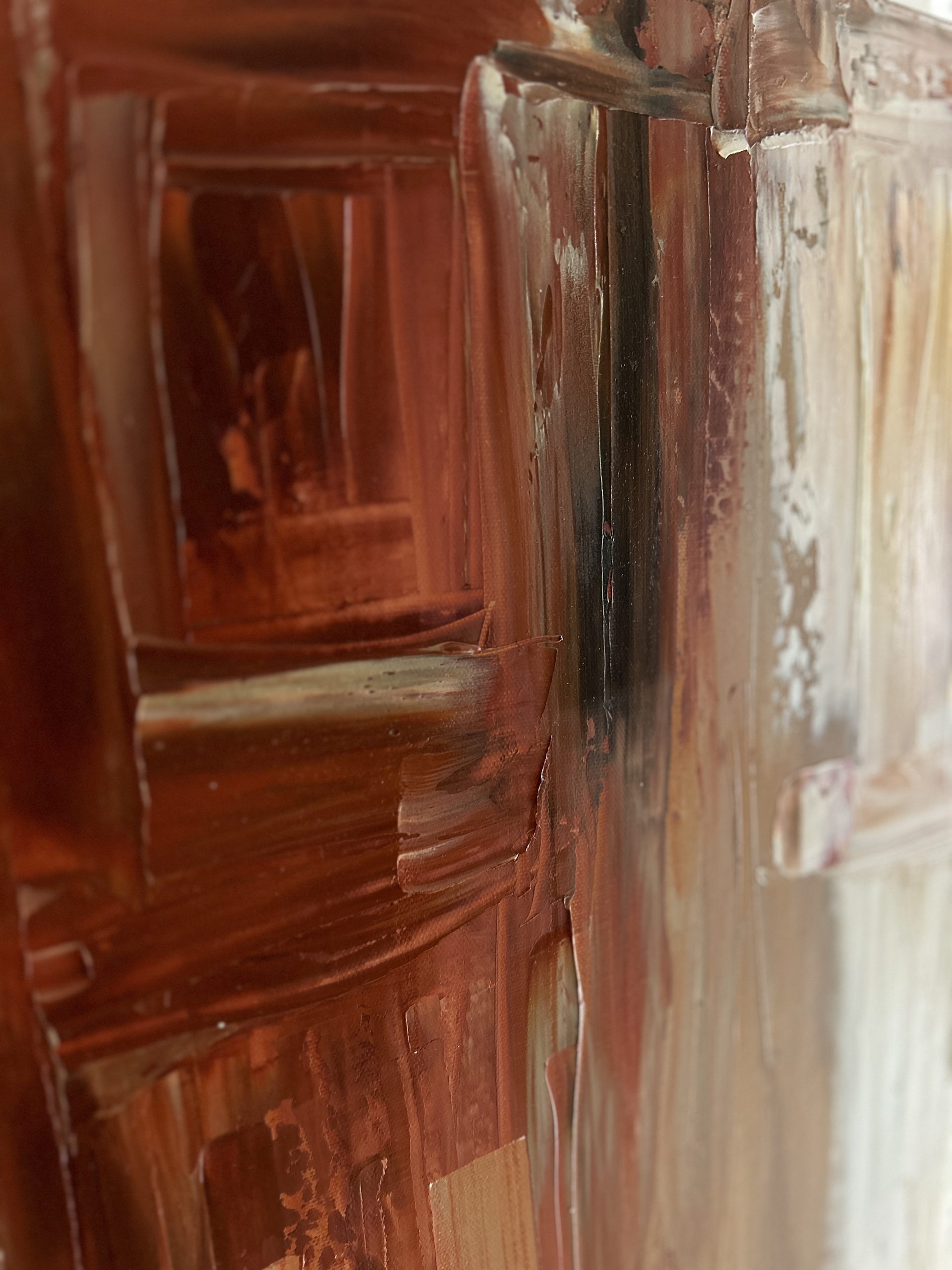
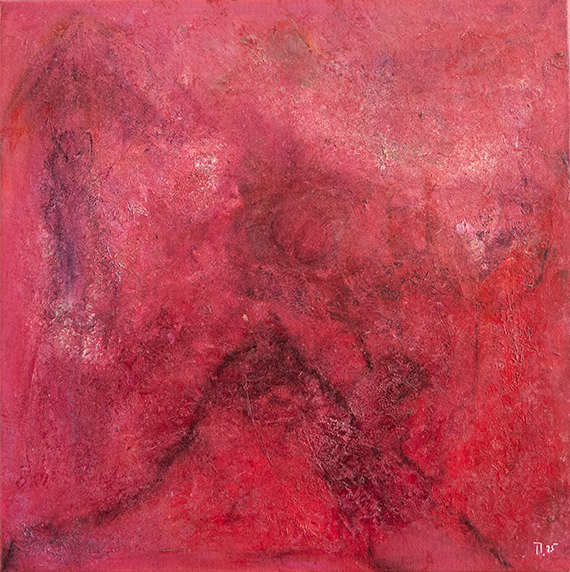
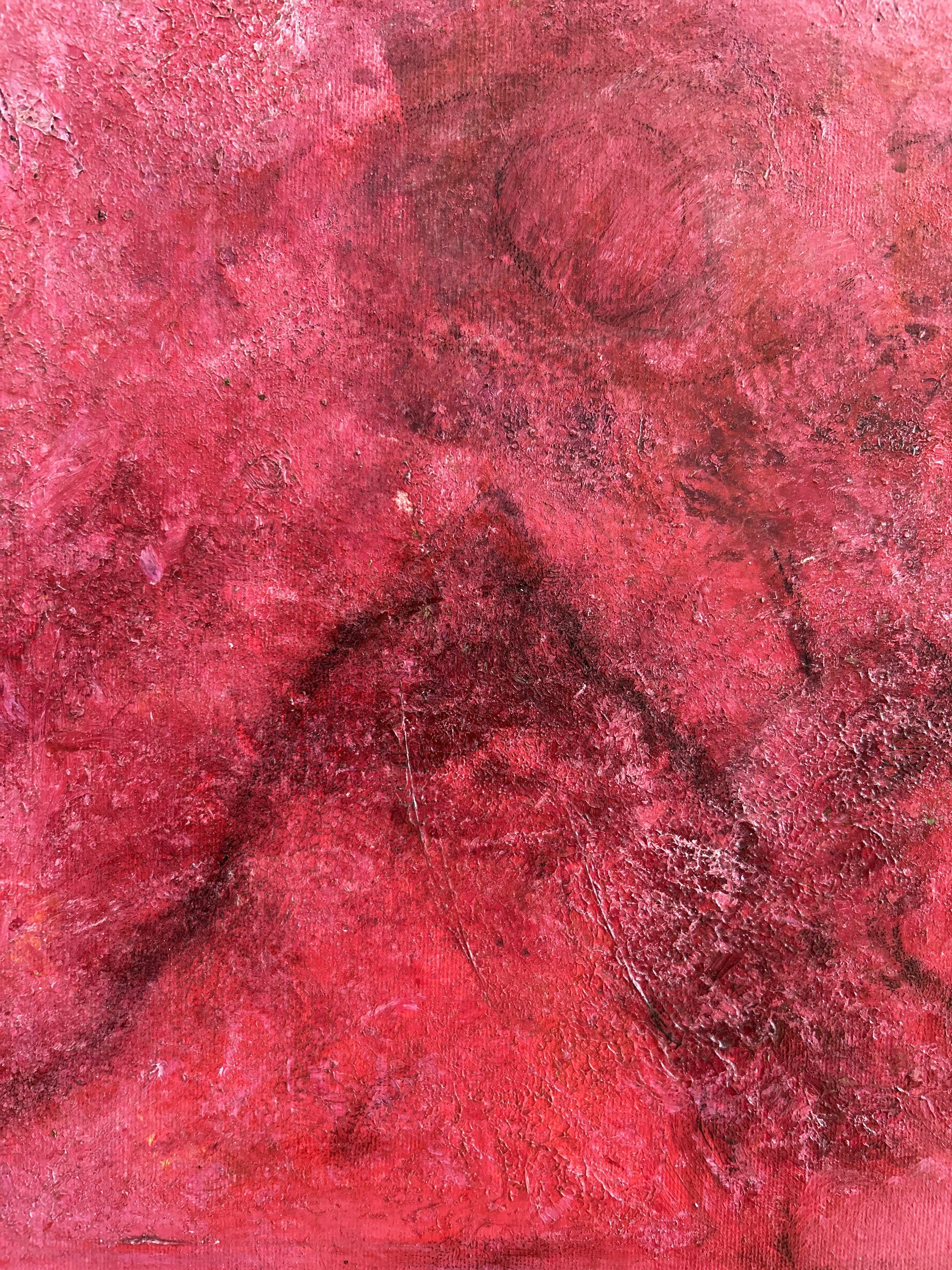
    Burri’s mixed media work titled „The New and Eternal Covenant“ presents a square abstract composition dominated by varying tones of crimson and magenta. The painting utilizes a heavily textured surface built through layers of pigment and binders, creating an uneven, tactile impasto across the entire canvas. This material density is central to the work’s formal structure.

    Within the textured field, darker, non-geometric forms emerge through different technical applications. Towards the upper right, a dense, swirling application of deeper, almost black pigment creates an amorphous structure. Near the lower center, a series of thick, linear, dark elements coalesce into an organic, triangular form, grounding the composition. These elements are not defined by sharp outlines but rather by material accumulation and color contrast. Other subtle shifts in texture and hue create secondary, ghost-like forms across the surface. Stylistically, the painting references non-representational abstraction with a primary focus on material surface and color vibration, avoiding any traditional narrative iconography despite its theological title. Materially, the work is executed in oil and pigments on a fine canvas, stretched on a frame, with dimensions of 50 x 50 x 2 cm.

    Deutsche Version

    Burris Mischtechnik-Werk mit dem Titel „Der neue und ewige Bund“ zeigt eine quadratische abstrakte Komposition, die von verschiedenen Tönen von Karmesin und Magenta dominiert wird. Das Gemälde nutzt eine stark strukturierte Oberfläche, die durch Schichten von Pigmenten und Bindemitteln aufgebaut ist und über die gesamte Leinwand ein unebenes, haptisches Impasto erzeugt. Diese materielle Dichte ist zentral für die formale Struktur des Werks.

    Innerhalb des strukturierten Feldes treten dunklere, nicht-geometrische Formen durch unterschiedliche technische Anwendungen hervor. Nach oben rechts hin erzeugt ein dichter, wirbelnder Auftrag von tieferem, fast schwarzem Pigment eine amorphe Struktur. In der Nähe der unteren Mitte koagulieren eine Reihe dicker, linearer, dunkler Elemente zu einer organischen, dreieckigen Form, die die Komposition erdet. Diese Elemente werden nicht durch scharfe Umrisse definiert, sondern durch Materialansammlung und Farbkontrast. Andere subtile Verschiebungen in Textur und Farbton erzeugen sekundäre, geisterhafte Formen über die Oberfläche. Stilistisch verweist das Gemälde auf nicht-gegenständliche Abstraktion mit einem primären Fokus auf materielle Oberfläche und Farbvibration, wobei jegliche traditionelle narrative Ikonografie trotz des theologischen Titels vermieden wird. Materialtechnisch ist das Werk in Öl und Pigmenten auf einer feinen Leinwand ausgeführt und auf einen Rahmen gespannt, mit Maßen von 50 x 50 x 2 cm.
    Title / Titel: The New and Eternal Covenant / Der neue und ewige Bund
    Year / Jahr: 2025
    Medium / Technik: Mixed media on canvas / Mischtechnik auf Leinwand
    Dimensions / Maße: 50 × 50 × 2 cm
    Status: Available / Verfügbar
    Sammler in Deutschland: Auf Anfrage
    International Collectors: Available upon request
  • Elements as Absence | Abwesenheit der Elemente

    Elements as Absence | Abwesenheit der Elemente

    ELEMENTE von Martin Burri

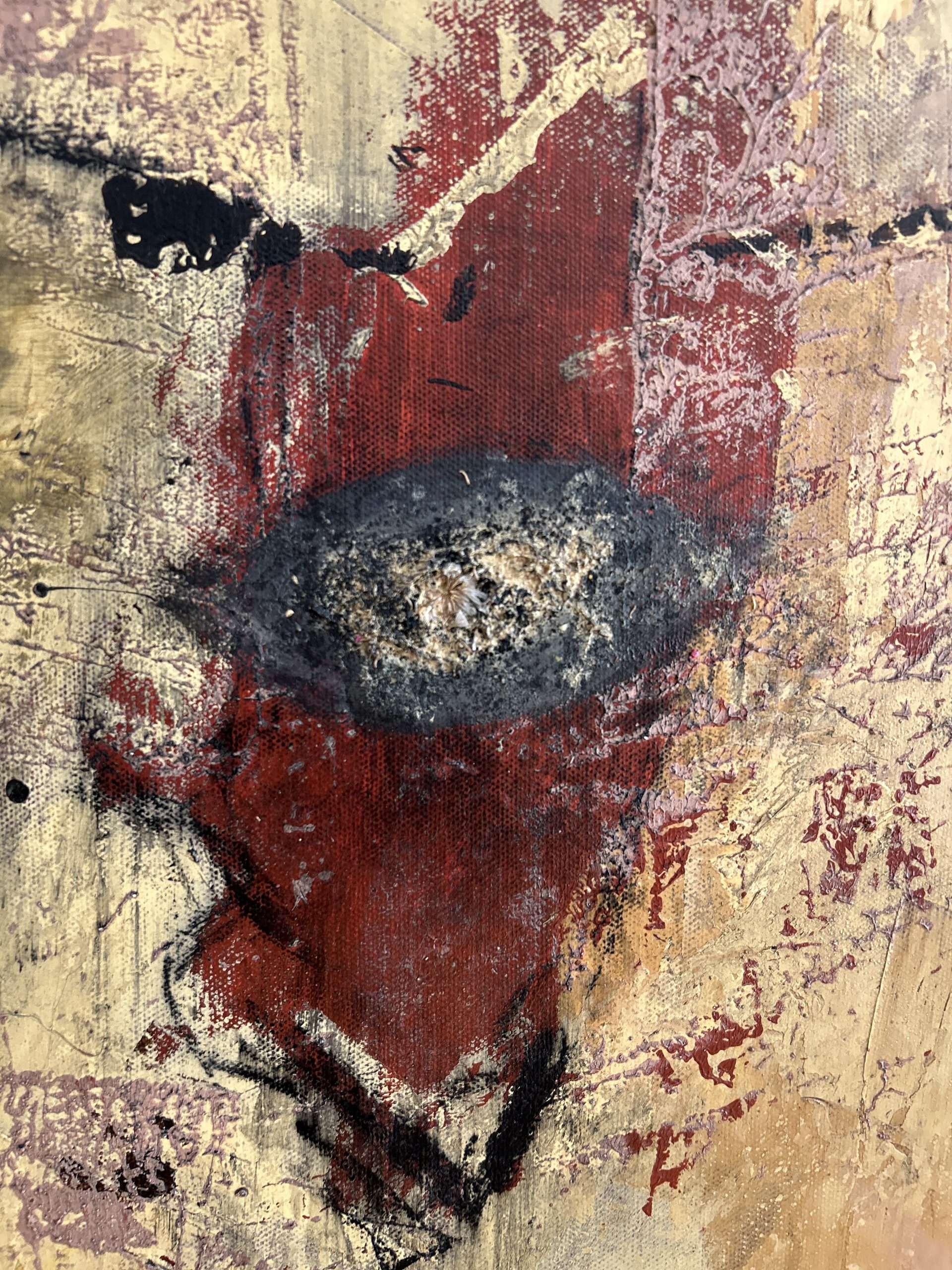
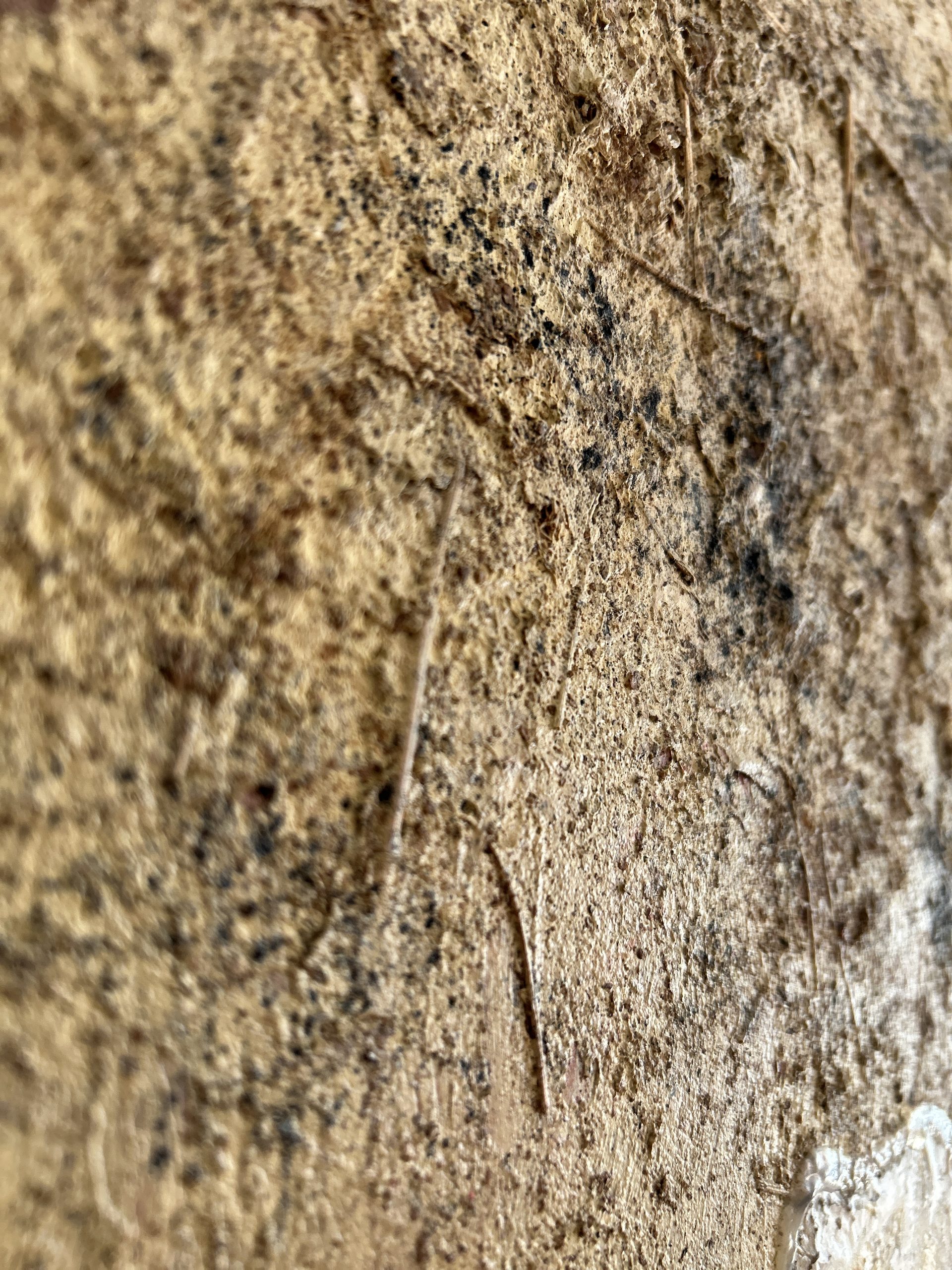
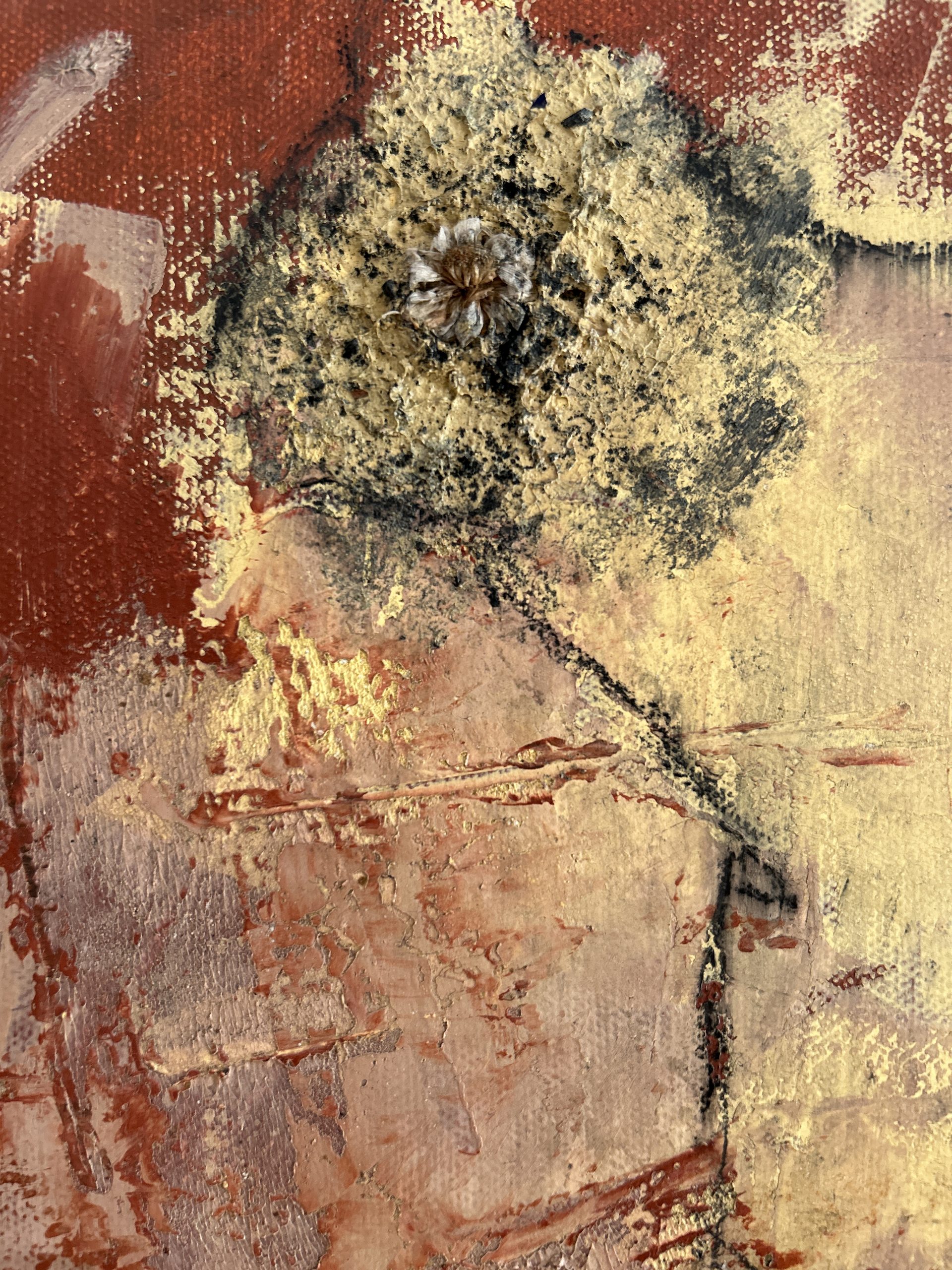
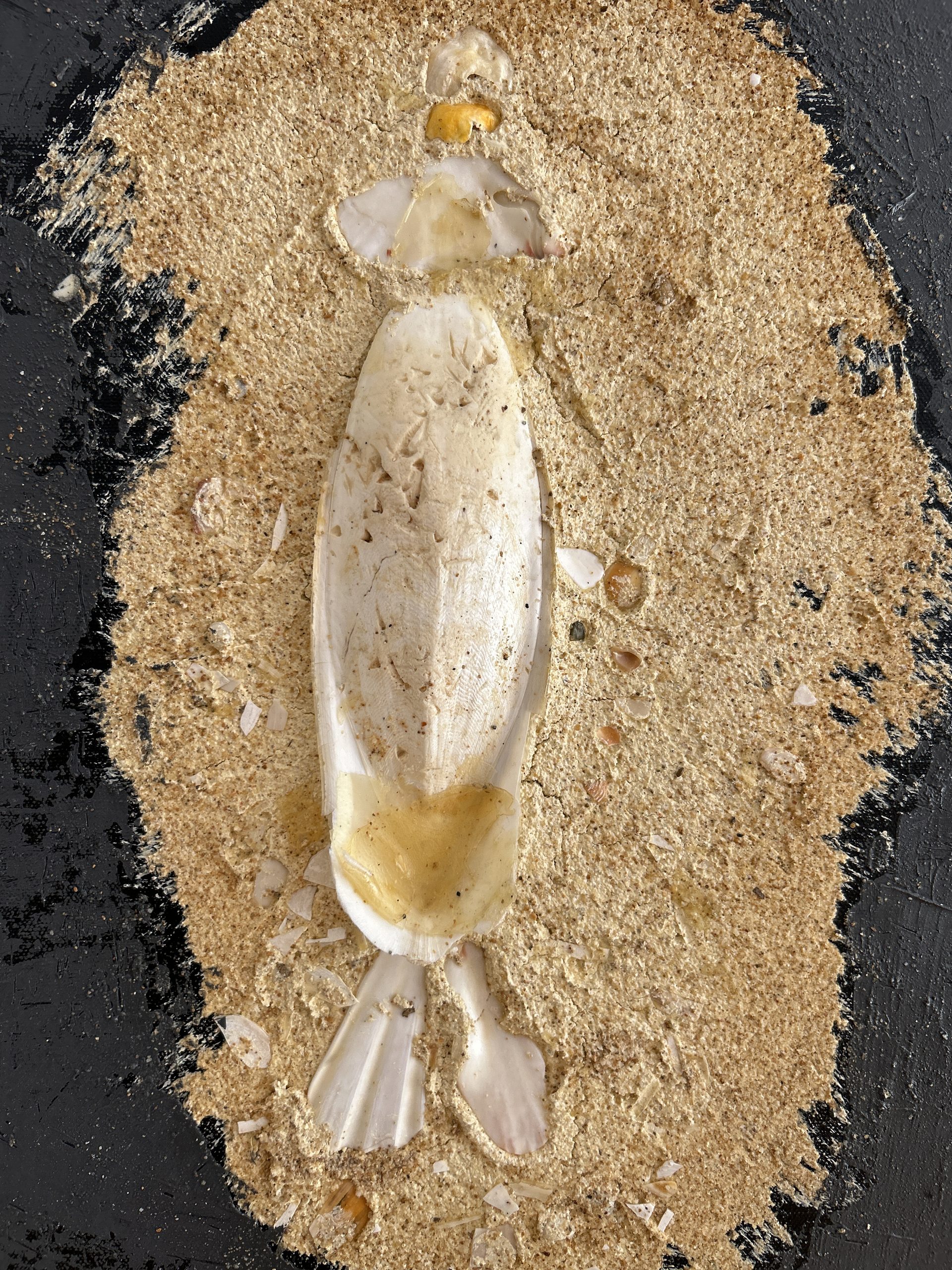
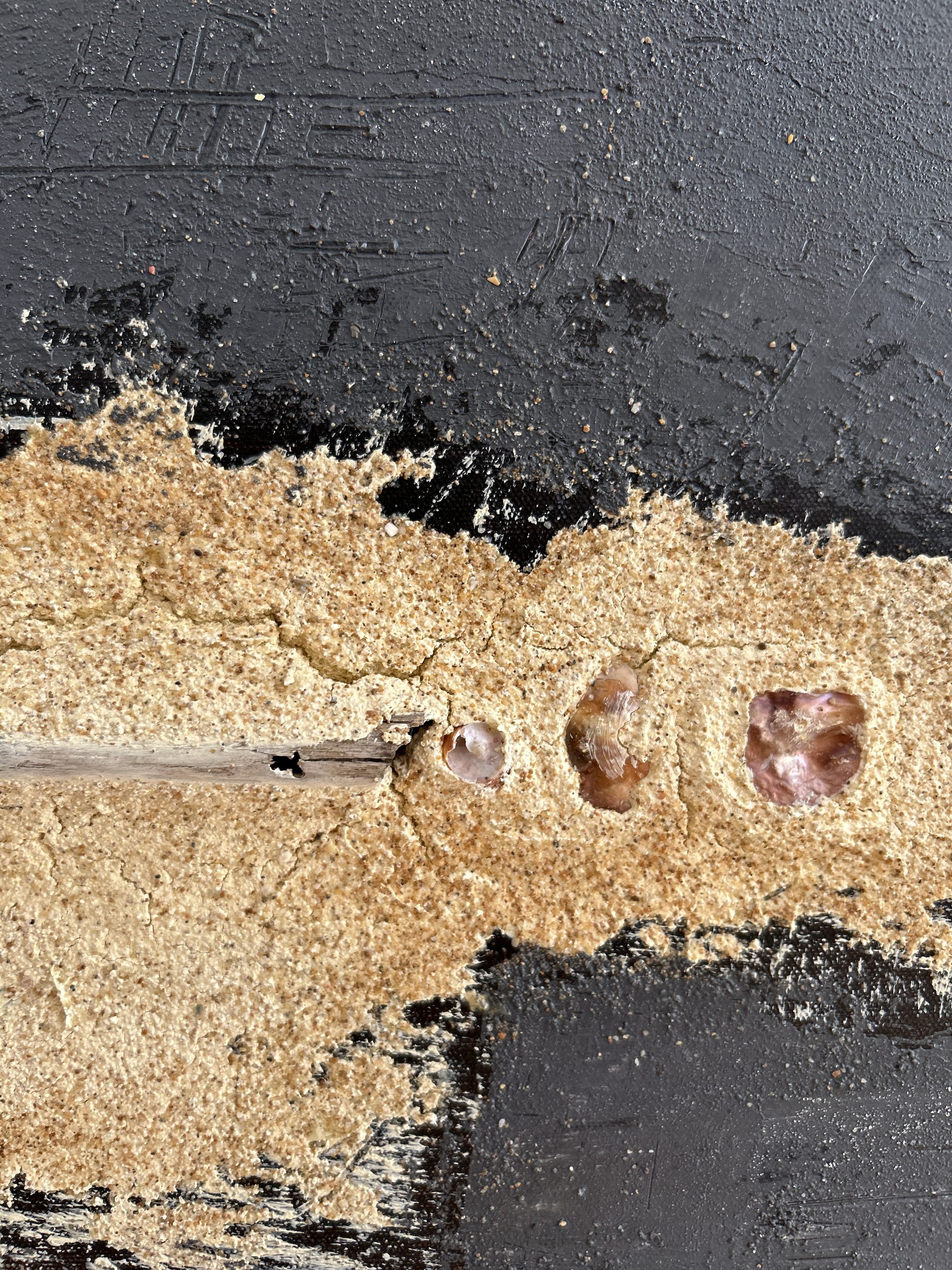
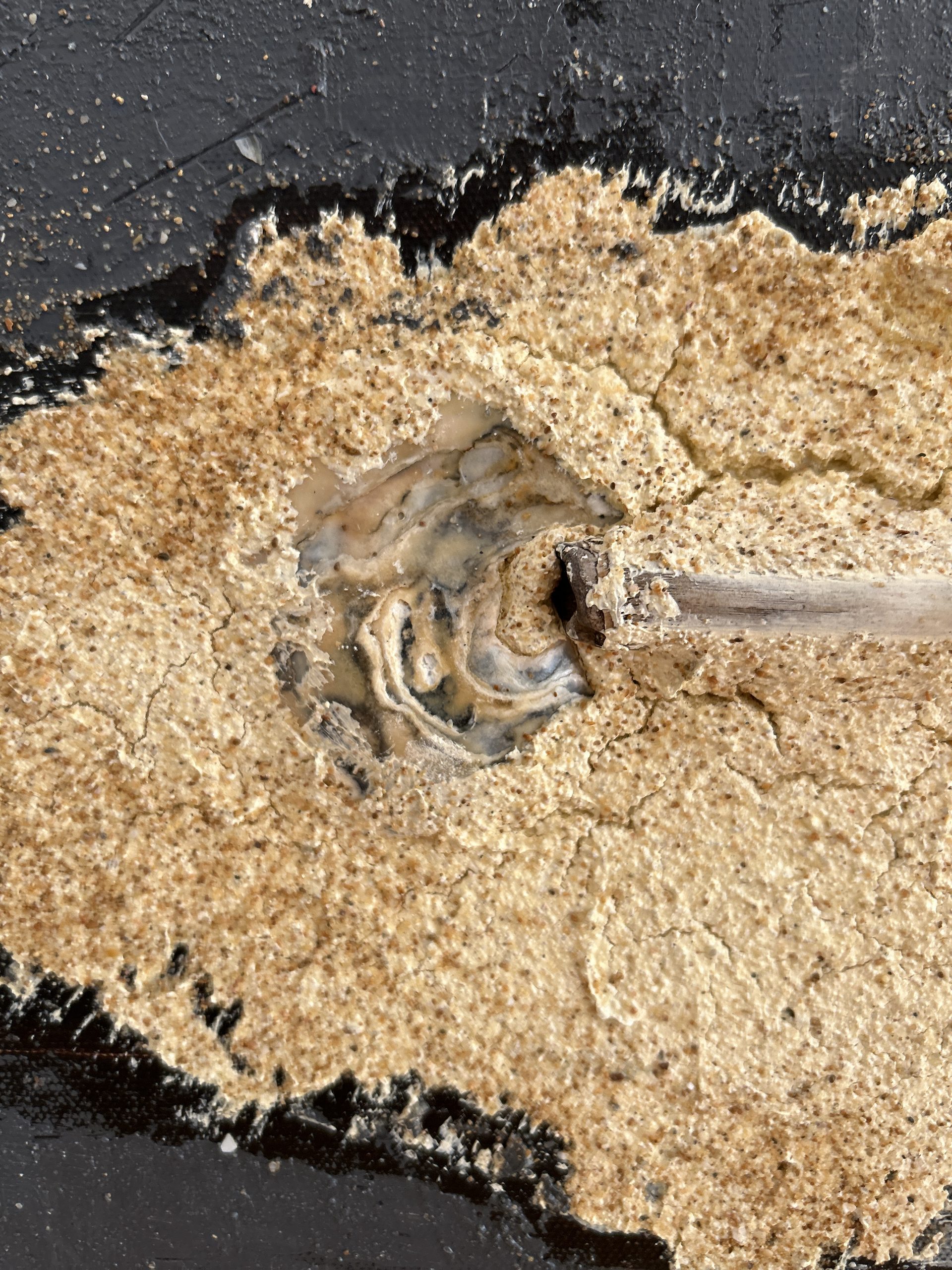
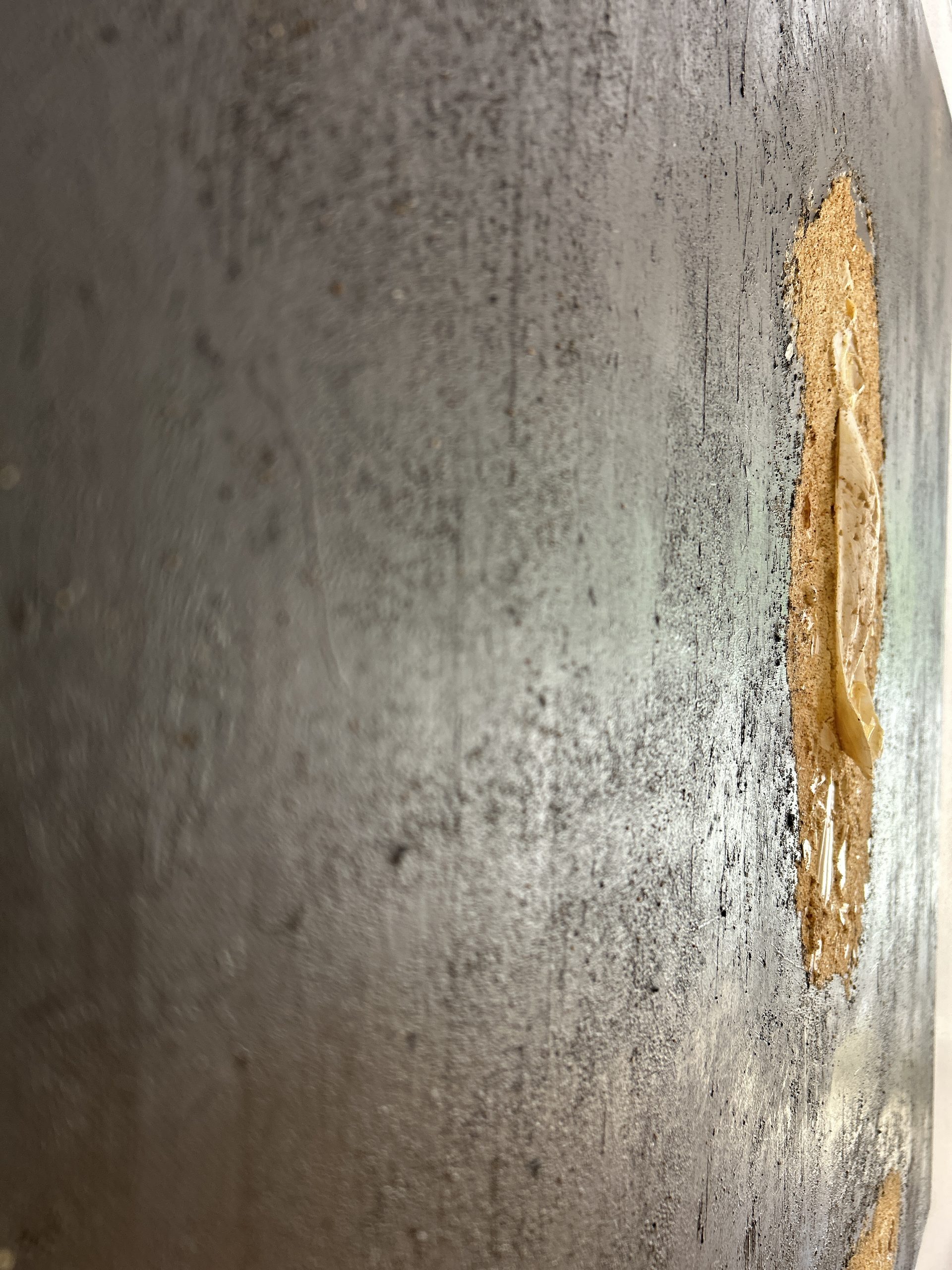
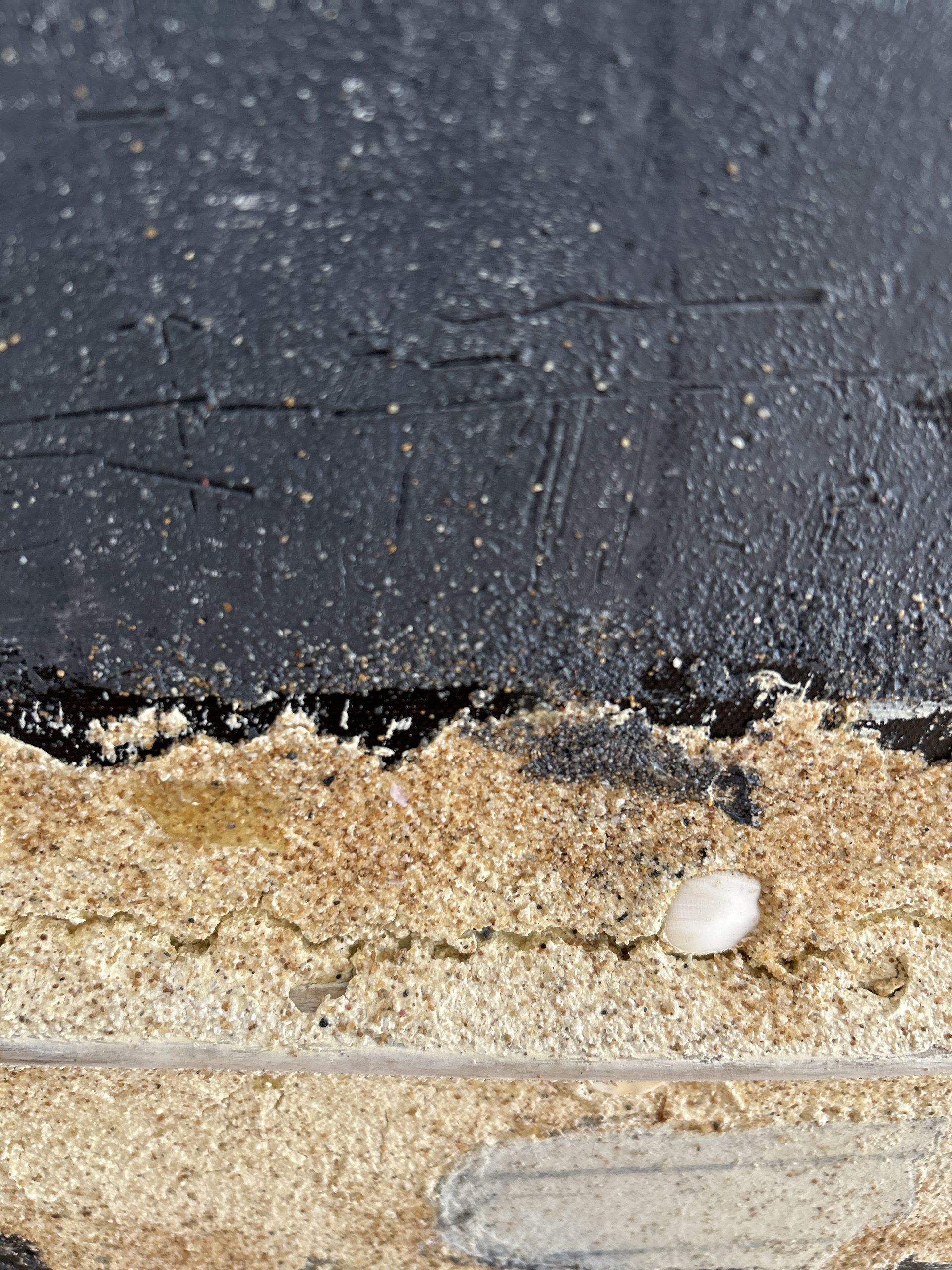
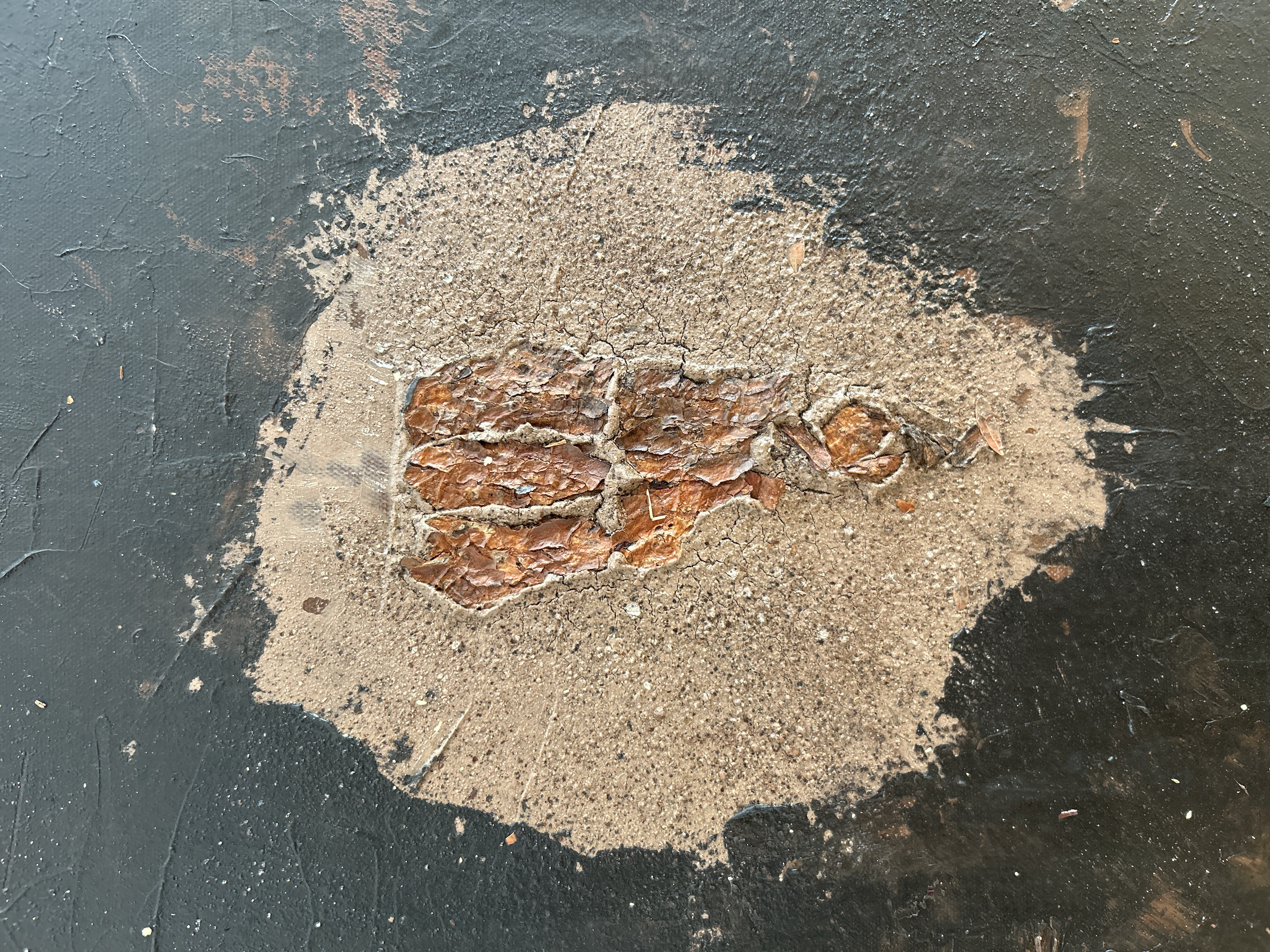
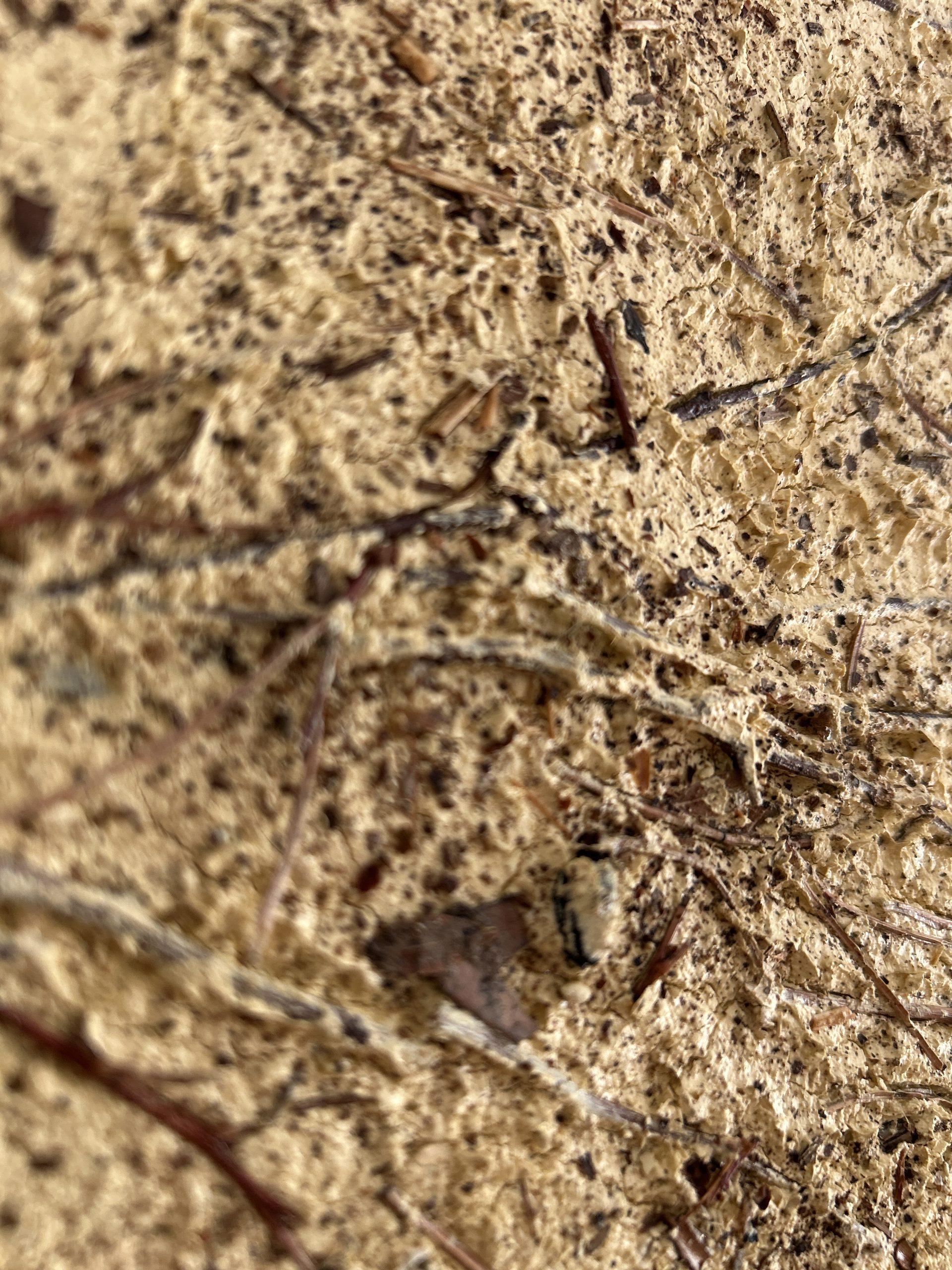
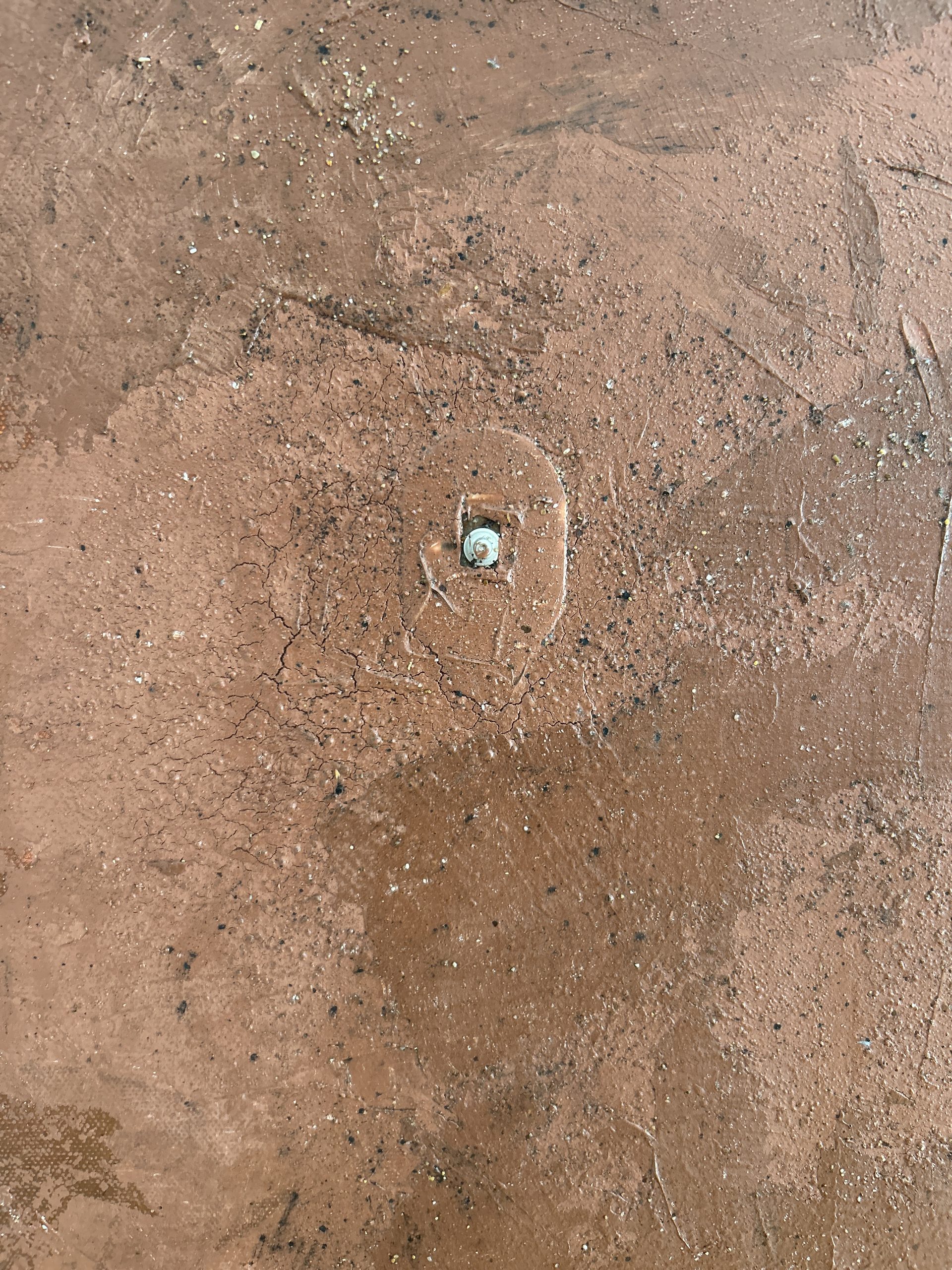
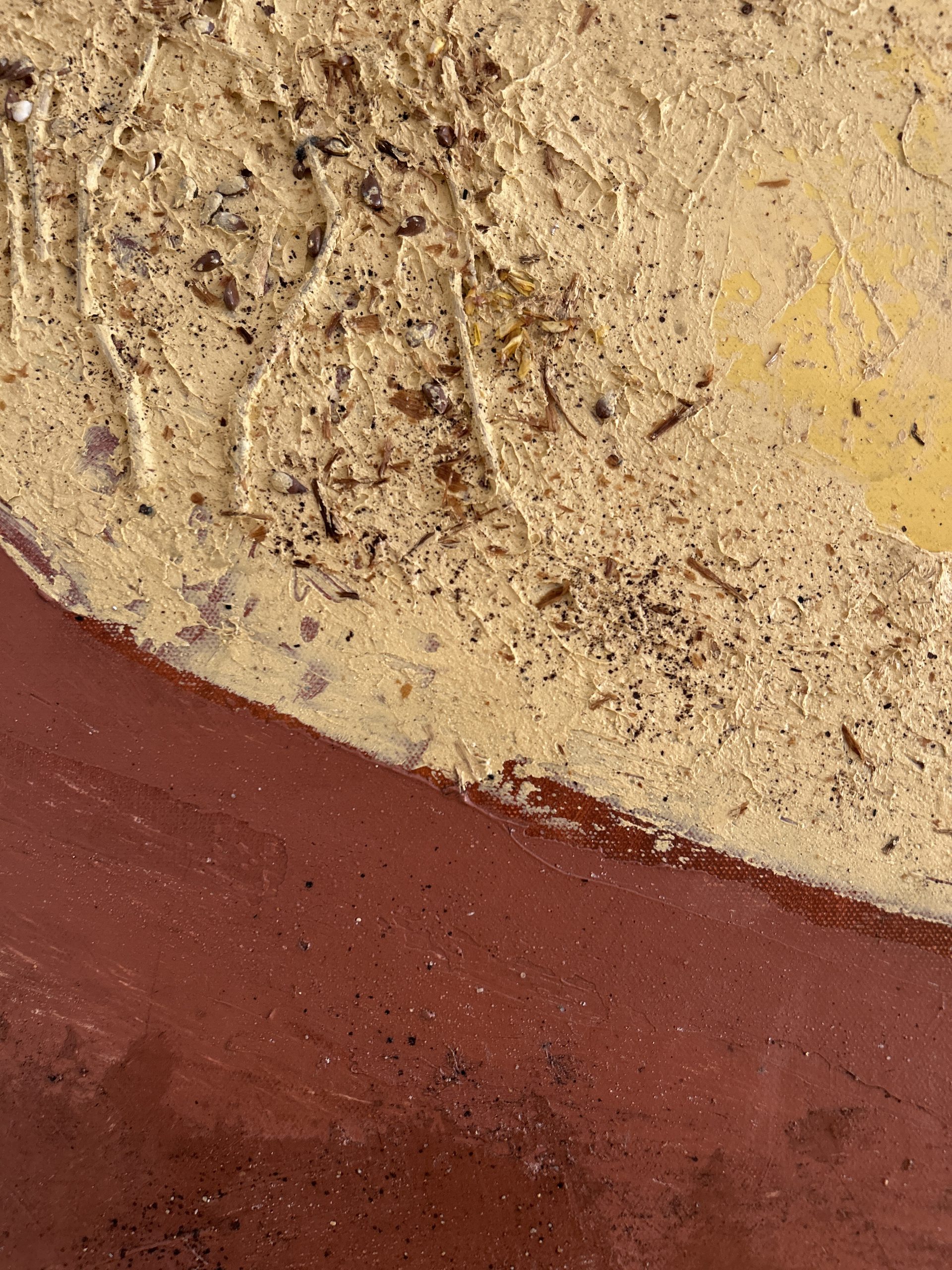
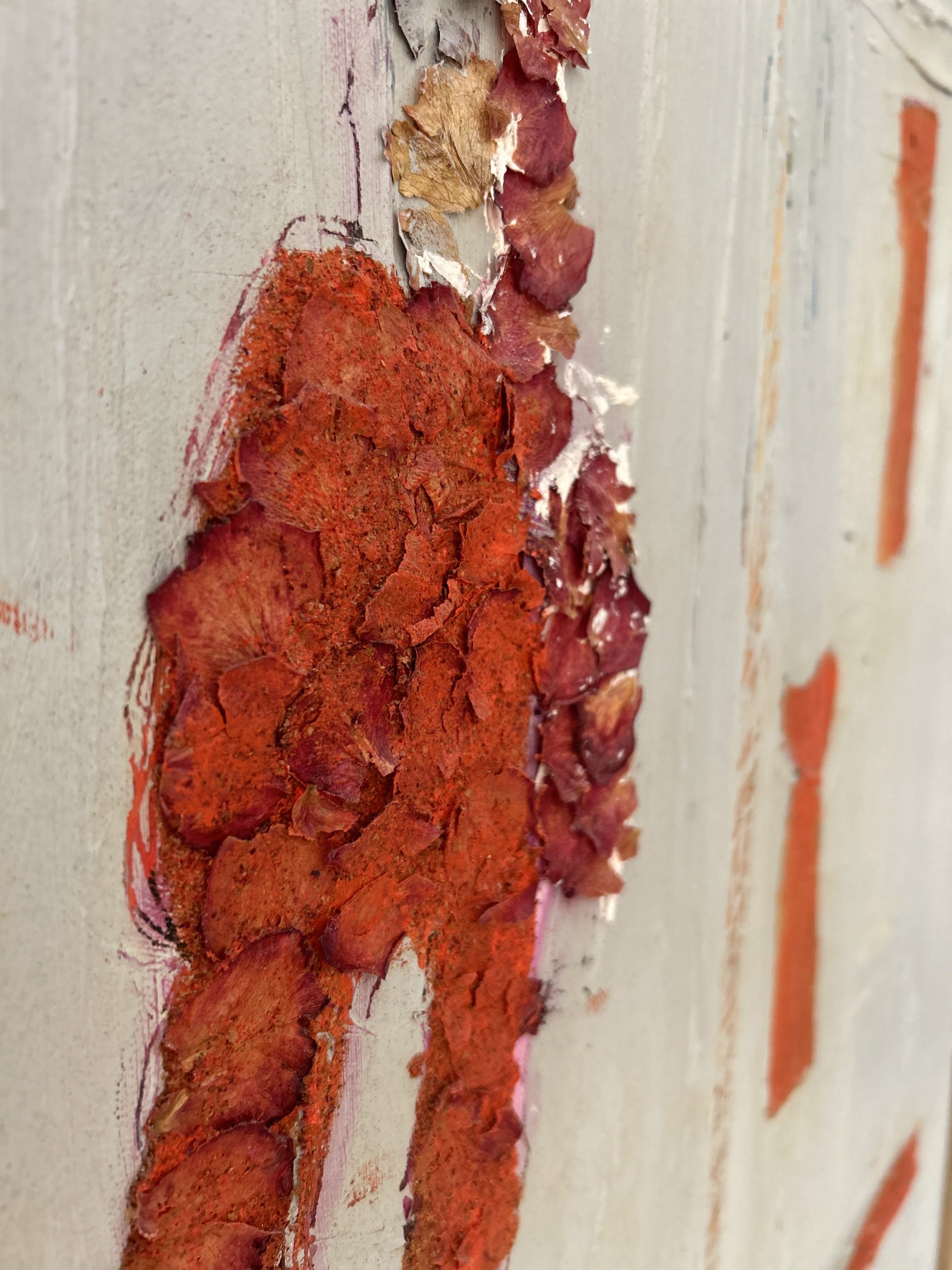
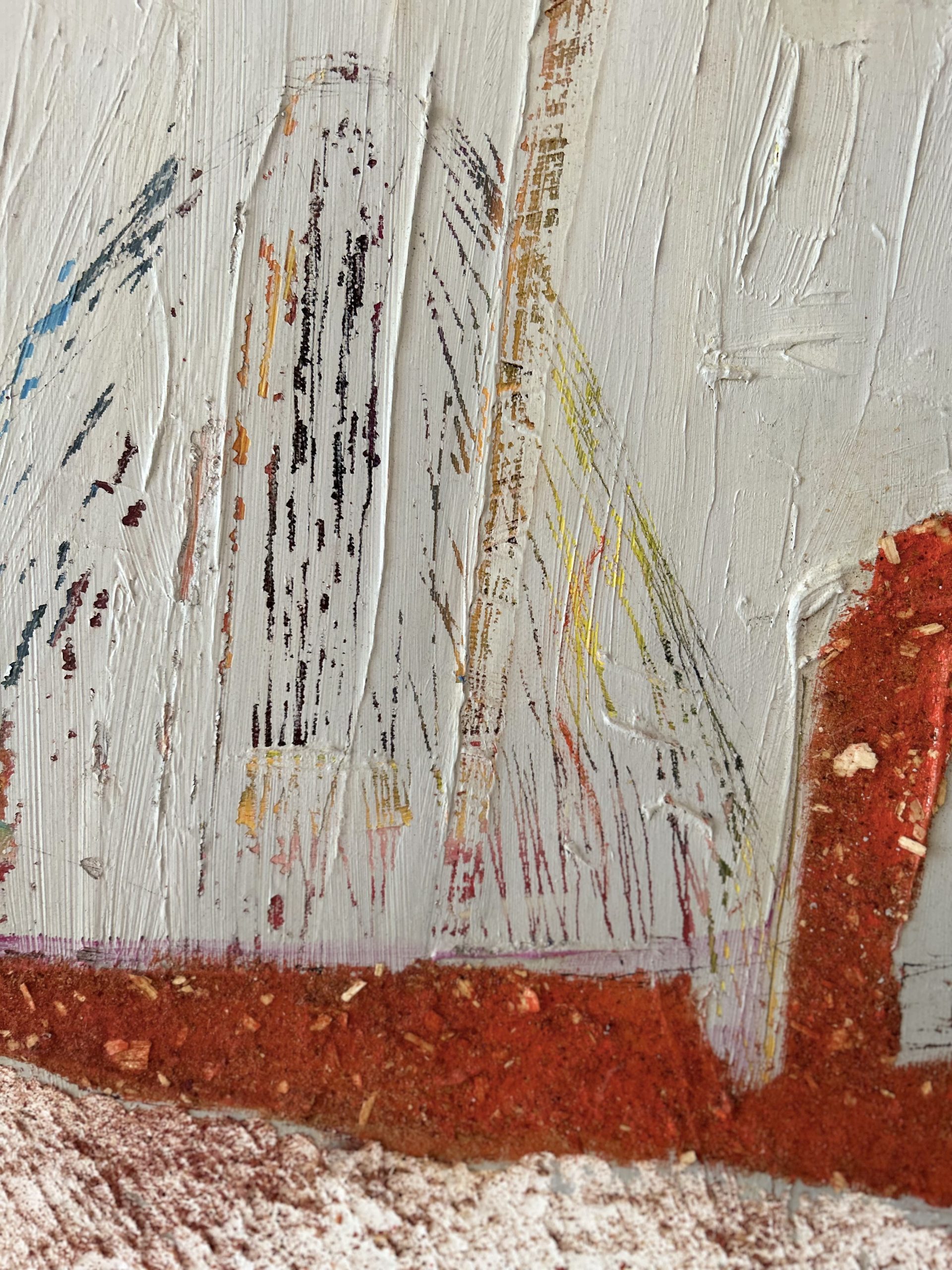
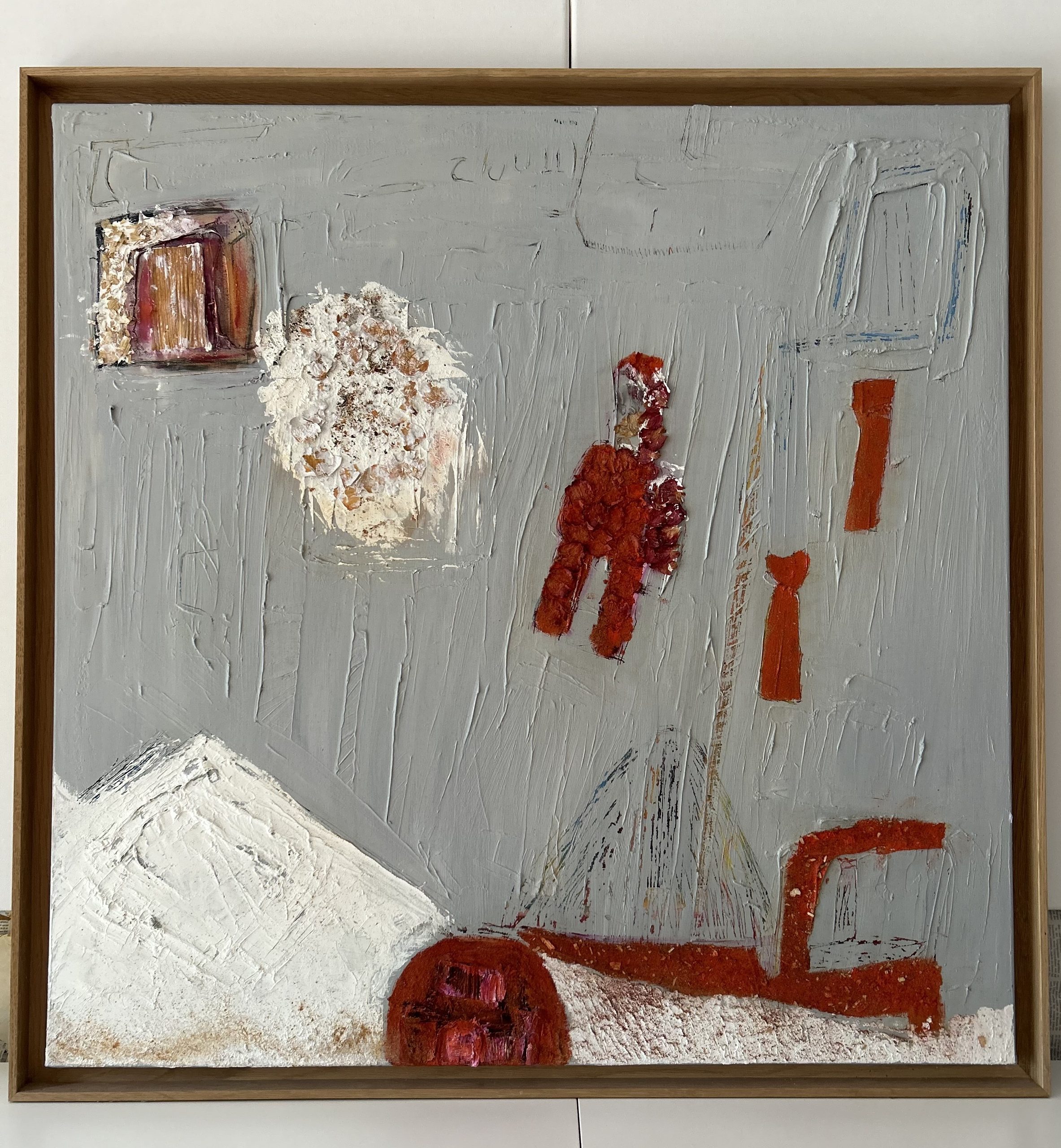
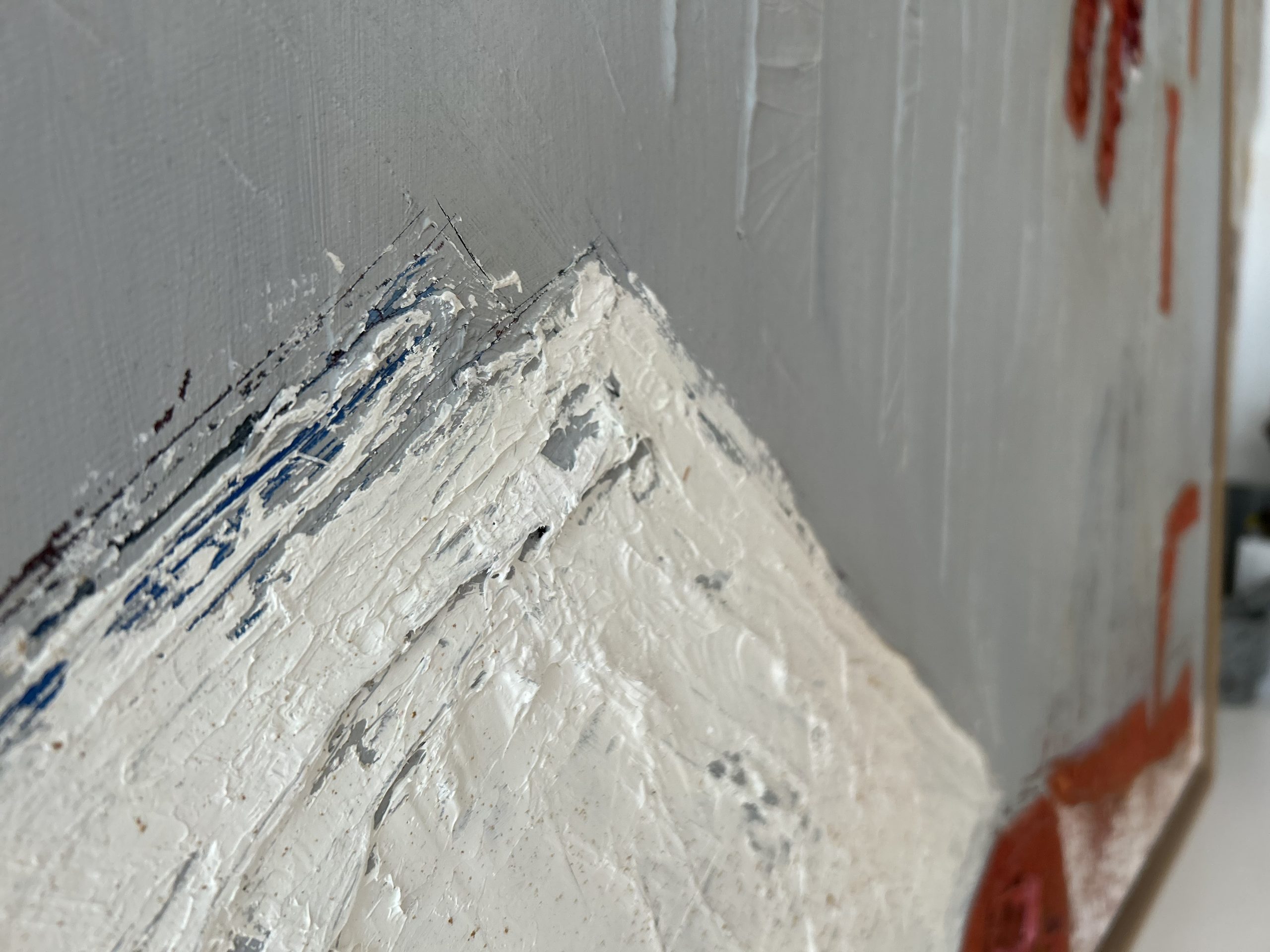
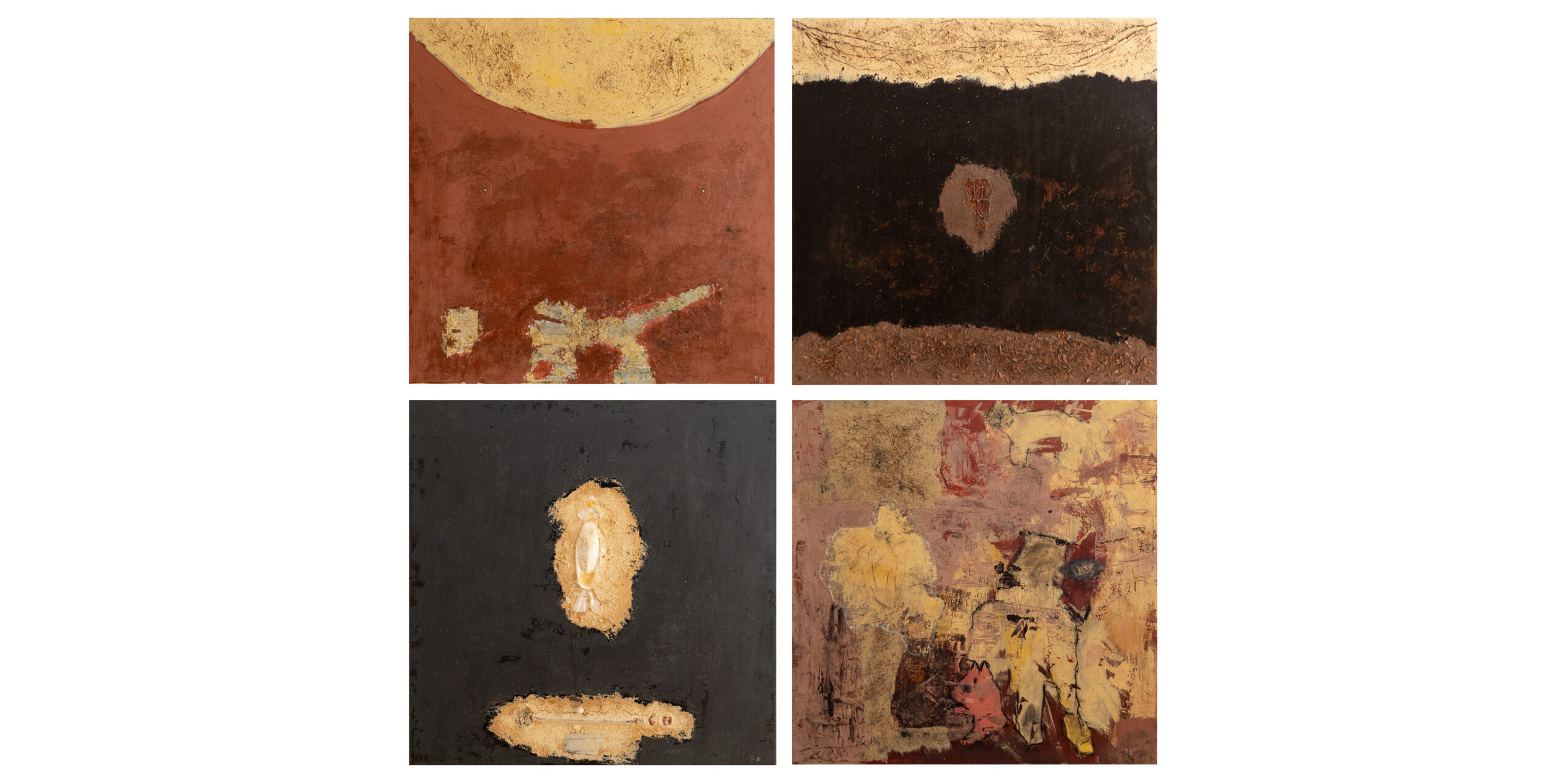
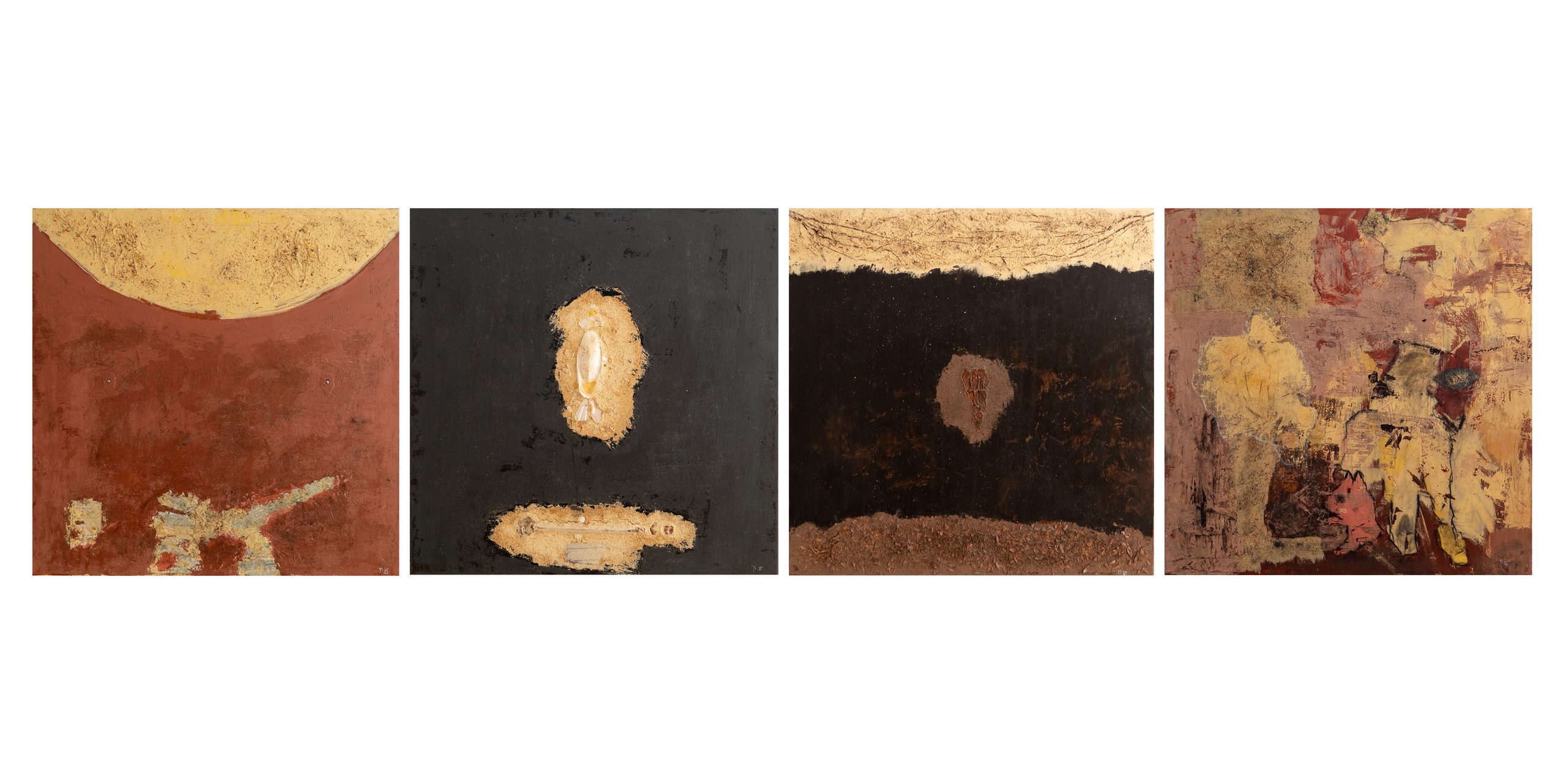
    Martin Burri’s four-part polyptych Elements as Absence investigates the physical and material breakdown of natural resources. Rejecting the classic iconographic tradition of depicting air, water, earth, and fire as vital, generative forces, the sequence addresses environmental degradation, entropy, and ecological loss across a continuous linear spatial axis. The works respond to contemporary crises—industrial smog, severe droughts, desiccated maritime habitats, and the destructive wildfires of summer 2026 — translating these phenomena into raw, tactile abstractions. Formally, the series relies on heavy impasto, relief-like layering, organic collaging, and textural reduction. Notably, the works omit precious decorative embellishments such as gold leaf, relying instead on natural detritus and raw matter to underscore environmental depletion.

    More about the far-left panel, representing „Air“

    More about the second panel from the left, corresponding to „Water“

    More about the third panel from the left, addressing „Earth“

    More about the far-right panel, addressing „Fire“

    Viewed as a sequence, the four panels function as a diagnostic index of resource depletion. Through material stratification, assemblage of natural matter, and restrained iconography, the series frames environmental crisis through structural reduction, demanding an analytical reading of ecological loss.

    Deutsche Version

    Martin Burris vierteilige Serie Elemente als Abwesenheit untersucht den materiellen und konzeptuellen Zerfall natürlicher Ressourcen. Das Reihungsbild erteilt der klassischen Ikonographie der Vier-Elemente-Lehre – die Luft, Wasser, Erde und Feuer als vitale Schöpfungskräfte inszeniert – eine Absage und widmet sich entlang einer linearen Bildebene der Umweltzerstörung, Entropie und dem ökologischen Entzug. Die Arbeiten reagieren auf Phänomene der Gegenwart – toxischen Smog, verlandende marine Lebensräume, anhaltende Dürren und die Waldbrände des Sommers 2026 – und übersetzen diese in eine haptische Bildsprache. Formal knüpft die Serie an die Nachkriegs-Materialkunst an, indem sie auf schweren Farbauftrag, organische Assemblagen und reliefartige Schichtungen setzt. Das Werk verzichtet bewusst auf dekorative Materialien wie Blattgold und nutzt stattdessen reale Naturmaterialien, Fundstücke und Pigmente, um den Entzug natürlicher Grundlagen spürbar zu machen.

    Mehr über Bild ganz links („Luft“)

    Mehr zum zweiten Bild von links („Wasser“)

    Mehr zum dritten Bild von links („Erde“)

    Mehr über das Bild ganz rechts („Feuer“)

    In ihrer Gesamtheit funktioniert die Vierer-Serie als sequenzielle Bestandsaufnahme ökologischer Defizite. Durch Schichtung, ausgeprägte Materialität und reduziertes Formenvokabular übersetzt der Zyklus Umweltkrisen in eine haptische Bildsprache. Die Arbeiten entziehen sich einer rein dekorativen Rezeption und fordern eine analytische Auseinandersetzung mit den materiellen Spuren des Mangels.

    Title / Titel: Elements as Absence / Elemente als Abwesenheit
    Year / Jahr: 2025
    Medium / Technik: Oil, organic elements, sand, paper and mixed media on canvas (Series of 4) / Öl, organische Pflanzenteile, Sand, Papier und Mischtechnik auf Leinwand (4-teilige Serie)
    Dimensions / Maße: 100 × 400 cm (4 pcs. 100 × 100 cm)
    Sammler in Deutschland: Auf Anfrage
    International Collectors: Available upon request
  • A History of Violence | Eine Geschichte der Gewalt

    A History of Violence | Eine Geschichte der Gewalt

    A History of Violence | Eine Geschichte der Gewalt

    Burri’s mixed-media painting titled “A History of Violence” examines structural conflict, aggression, and historical continuity through a figurative narrative composition. The pictorial space presents stylized figures positioned within a fragmented environment. The color scheme is dominated by low-saturation dark tones, muted grays, and stark black contours, contrasted by targeted applications of intense red.

    Compositionally, the work utilizes abrupt spatial breaks and heavy, linear framing to divide the visual fields. Stylistically referencing Neo-Expressionism and historical narrative painting, the composition focuses on formal reduction rather than descriptive detail. Materially, the work incorporates organic plant matter, specifically dried blossoms, alongside graphite elements directly into the paint layer to create a physical, tactile surface texture. The painting is executed in oil and mixed media on a pure cotton canvas, stretched over a pine wood support frame with dimensions of 100 x 100 x 2 cm.

    Deutsche Version

    Burris Mixed-Media-Gemälde mit dem Titel „A History of Violence“ thematisiert strukturelle Konflikte, Aggression und historische Kontinuität in einer figurativ-narrativen Anordnung. Der Bildraum zeigt stilisierte Figuren innerhalb einer fragmentierten Umgebung. Das Farbschema wird von schwach gesättigten dunklen Tönen, gedämpften Graustufen und dichten schwarzen Konturen dominiert, die von gezielt gesetzten, intensiven Rotzonen unterbrochen werden.

    Kompositorisch nutzt die Arbeit unvermittelte raumgliedernde Brüche und schwere, lineare Rahmungen zur Segmentierung der Bildebenen. In formaler Anlehnung an den Neoexpressionismus und die historische Historienmalerei liegt der Schwerpunkt auf figürlicher Reduktion statt deskriptiver Detailzeichnung. Materialtechnisch erweitert das Werk den malerischen Farbauftrag durch die direkte Integration organischer Substanzen wie getrockneter Blüten sowie Graphitkomponenten in die Farbschicht, wodurch eine haptische Oberflächenstruktur entsteht. Das Unikat ist in Öl und Mischtechnik auf reiner Baumwollleinwand ausgeführt, die auf einen Kiefernholz-Keilrahmen mit den Abmessungen 100 × 100 × 2 cm gespannt ist.

    Title / Titel: A History of Violence / Eine Geschichte der Gewalt
    Year / Jahr: 2022
    Medium / Technik: Oil and mixed media on canvas / Öl und Mischtechnik auf Leinwand
    Dimensions / Maße: 100 × 100 × 2 cm
    Status: Available / Verfügbar
    Sammler in Deutschland: Im Shop mirandolo.de erwerben
    International Collectors: Available via saatchiart

  • The Human, the Suffering, the War, and the Death | Der Mensch, das Leid, der Krieg und der Tod

    The Human, the Suffering, the War, and the Death | Der Mensch, das Leid, der Krieg und der Tod

    The Human, the Suffering, the War, and the Death | Der Mensch, das Leid, der Krieg und der Tod

    Burri’s oil painting titled “The Human, the Suffering, the War, and the Death” addresses existential themes of human vulnerability, conflict, and mortality through a figurative narrative structure. The composition displays stylized figures interacting within a segmented pictorial space. The color palette relies on low-saturation earth tones, grays, and black contours, interrupted by targeted red color fields.

    Compositionally, the work employs dense paint application and sharp structural divisions to organize the visual fields. Stylistically aligned with European Expressionism and mid-century figurative painting, the work focuses on structural reduction and non-idealized representation. Materially, the work expands traditional paint application by incorporating organic plant matter, specifically dried blossoms, alongside graphite elements directly into the paint layer. Materially, the painting is executed in oil and mixed media on a pure cotton canvas, stretched over a pine wood support frame with dimensions of 100 x 100 x 2 cm.

    Deutsche Version

    Burris Ölgemälde mit dem Titel „Der Mensch, das Leid, der Krieg und der Tod“ behandelt Themen wie menschliche Verletzlichkeit, Konflikt und Sterblichkeit in einer figurativ-narrativen Anordnung. Die Bildfläche zeigt stilisierte Figuren innerhalb eines strukturierten Bildraums. Die Farbgebung basiert auf schwach gesättigten Erdtönen, Graustufen und schwarzen Konturlinien, die von gezielt gesetzten roten Farbzonen unterbrochen werden.

    Kompositorisch nutzt die Arbeit einen dichten Farbauftrag und klare Segmentierungen zur Gliederung der Bildebenen. In der Tradition des europäischen Expressionismus und der figurativen Malerei der Nachkriegszeit liegt der Schwerpunkt auf formeller Reduktion und einer nicht-idealisierenden Darstellungsweise. Materialtechnisch erweitert das Werk den klassisch-malerischen Farbauftrag durch die Integration organischer Substanzen wie getrockneter Blüten sowie Graphitkomponenten direkt in die Farbschicht. Das Unikat ist in Öl und Mischtechnik auf reiner Baumwollleinwand ausgeführt, die auf einen Kiefernholz-Keilrahmen mit den Abmessungen 100 × 100 × 2 cm gespannt ist.

    Title / Titel: The Human, the Suffering, the War, and the Death / Der Mensch, das Leid, der Krieg und der Tod
    Year / Jahr: 2022
    Medium / Technik: Oil and mixed media on canvas / Öl und Mischtechnik auf Leinwand
    Dimensions / Maße: 100 × 100 × 2 cm
    Status: Available / Verfügbar
    Sammler in Deutschland: Im Shop mirandolo.de erwerben
    International Collectors: Available via saatchiart

  • The Lost River of Life | Der verlorene Fluss des Lebens

    The Lost River of Life | Der verlorene Fluss des Lebens

    The Lost River of Life | Der verlorene Fluss des Lebens

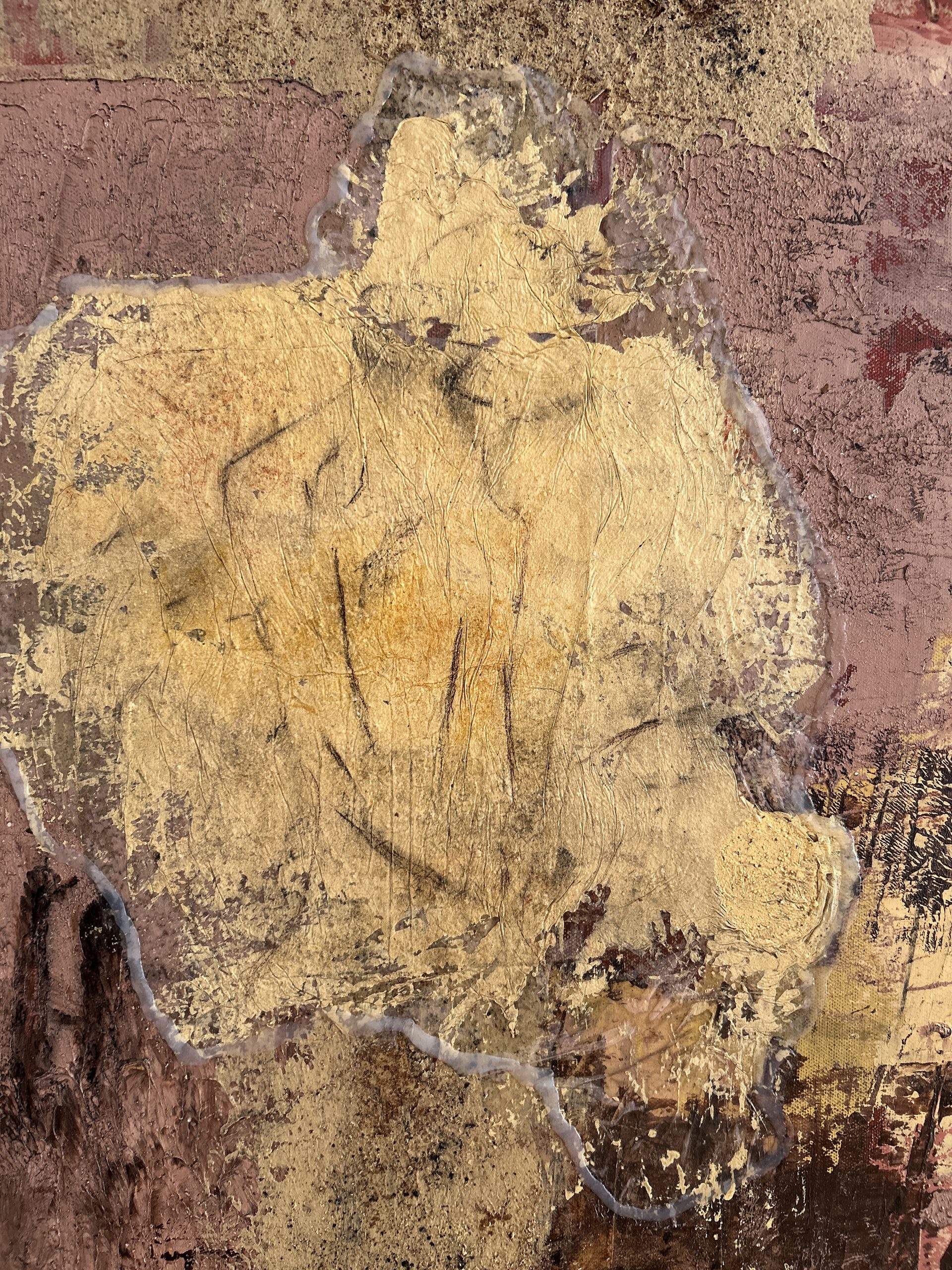
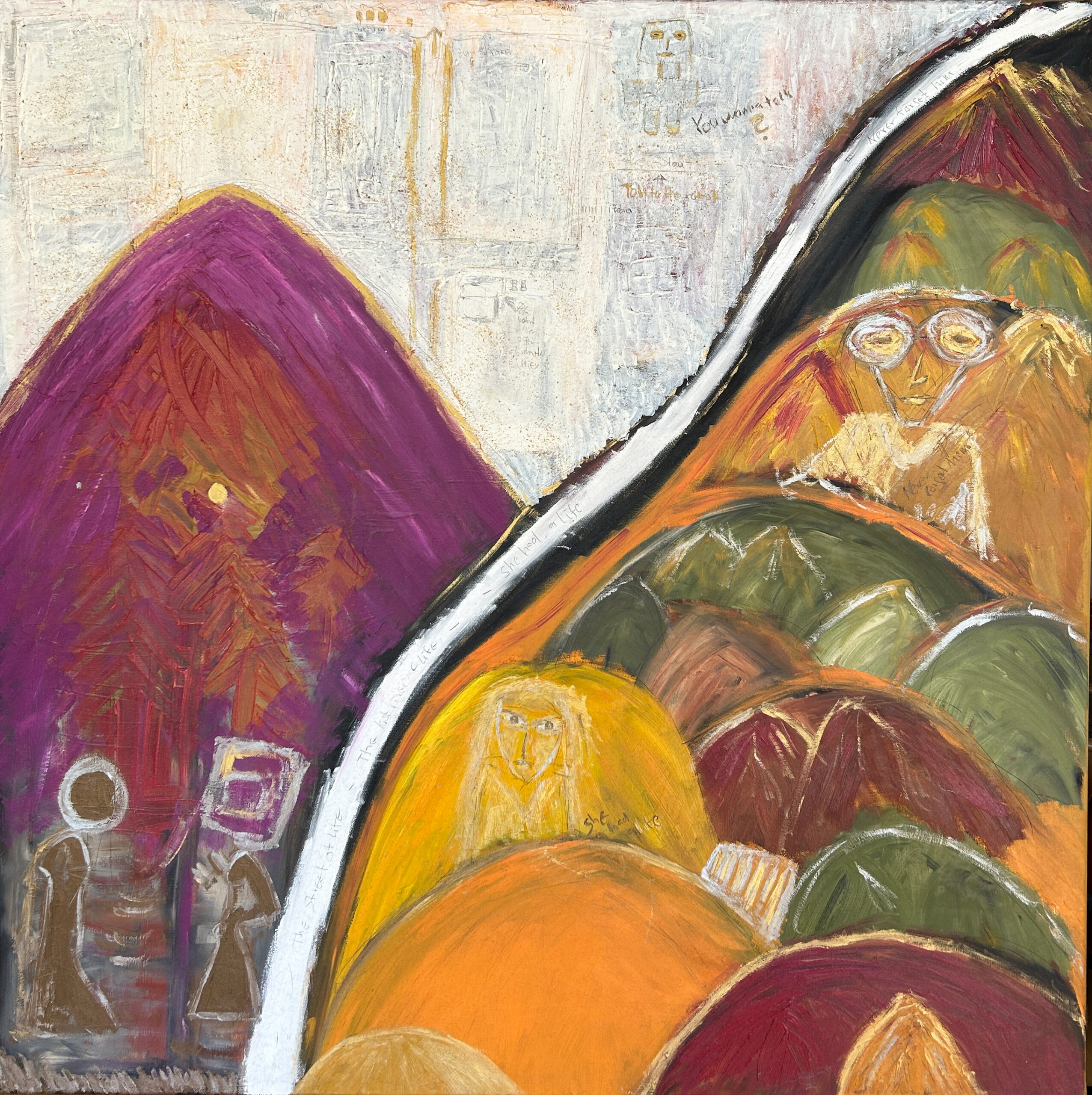
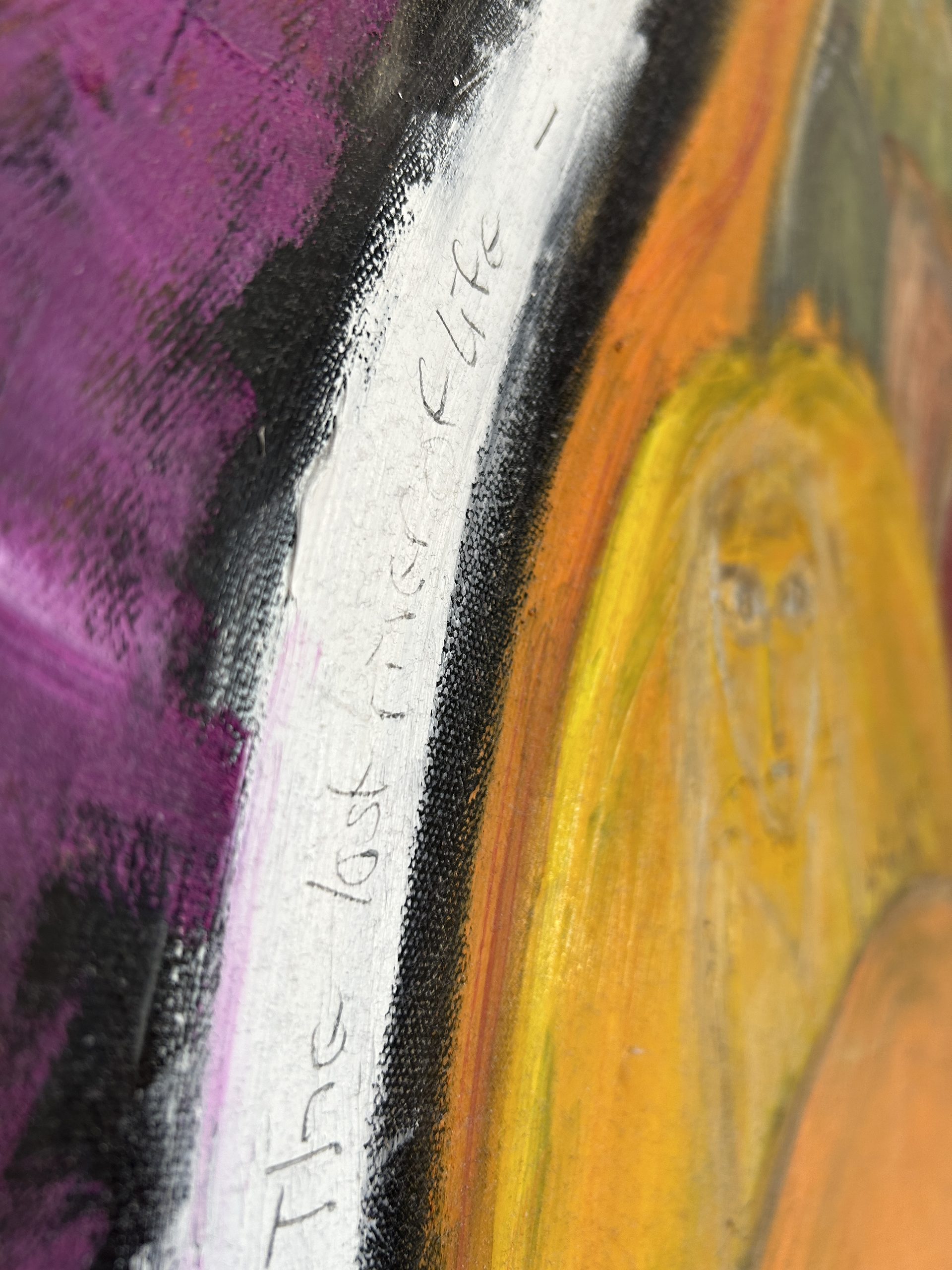
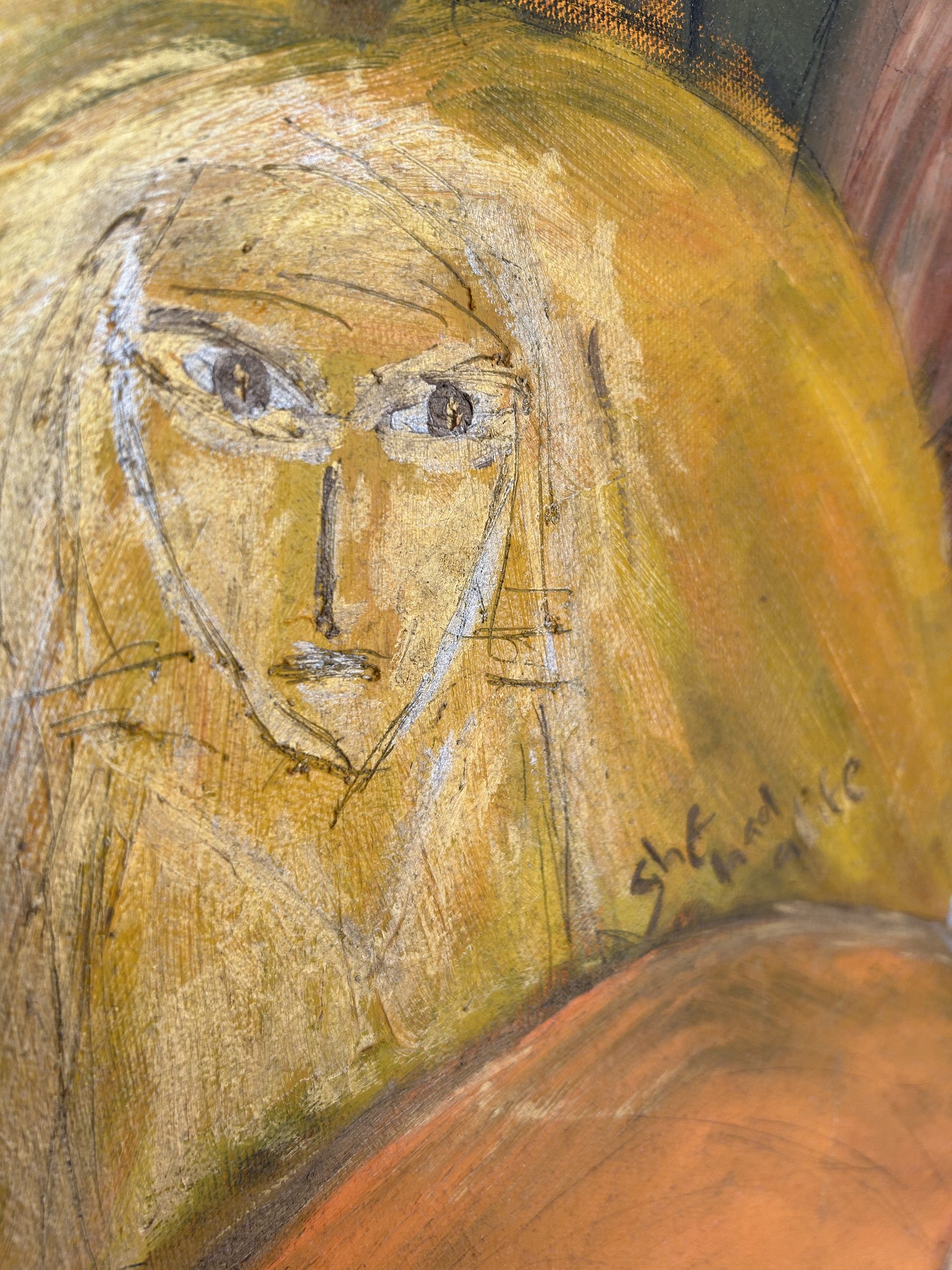
    Burri’s narrative mixed-media painting titled “The Lost River of Life” presents a complex allegorical composition divided horizontally into two distinct thematic zones by a central river. The left section is dominated by a purple mountain structure housing a golden heart overlaid with gold leaf—a symbolic representation of value, material wealth, or consumerist excess. At the base of this structure, two figures engage in a bitter conflict. Conversely, the right section features rolling hills in earthy textures, interspersed with abstract portraits, textual fragments recalling memorial cards, and faint cartographic outlines leading toward a coastline, evoking themes of loss, memory, and spatial transit.

    Compositionally, the painting balances Expressionist color choices with Surrealist iconography, constructing a multi-layered narrative field. The work incorporates diverse tactile media alongside traditional oil paint—including flower seeds, as well as dried and ground leaves—creating a rich, physical surface structure. Materially, the work is executed in oil and mixed media on a pure cotton canvas, stretched over a pine wood support frame with dimensions of 100 x 100 x 2 cm.

    Deutsche Version

    Burris vielschichtiges Mixed-Media-Gemälde mit dem Titel „Der verlorene Fluss des Lebens“ zeigt eine allegorische Komposition, die durch einen zentralen Flusslauf in zwei thematische Bereiche gegliedert wird. Die linke Zone wird von einem violetten Berg dominiert, der ein mit Blattgold überzogenes goldenes Herz beheimatet – ein Symbol für materiellen Wert, Konsumüberschwang oder verdrängte Essenz. Am Fuß des Berges stehen sich zwei Figuren in einer konfliktgeladenen Auseinandersetzung gegenüber. Der rechte Bereich hingegen zeigt Hügelketten in erdigen Tönen, durchsetzt mit abstrakten Porträts, textilen Fragmenten im Stile von Gedenkkarten sowie zarten Kartografielinien, die auf Motive von Erinnerung, Spurensuche und Verlust verweisen.

    Kompositorisch verbindet das Werk die emotionale Farbdynamik des Expressionismus mit der traumartigen Symbolik des Surrealismus zu einem narrativen Bildraum. Neben klassischer Ölfarbe erweitert der Künstler die materielle Oberfläche durch den Einsatz organischer Stoffe wie Blütensamen sowie getrockneter und gemahlener Blätter zu einer haptischen Textur. Materialtechnisch ist das Unikat in Öl und Mischtechnik auf reiner Baumwollleinwand ausgeführt, die auf einen Kiefernholz-Keilrahmen mit den Abmessungen 100 × 100 × 2 cm gespannt ist.


    Title / Titel: The Lost River of Life / Der verlorene Fluss des Lebens
    Year / Jahr: 2021
    Medium / Technik: Oil and mixed media on canvas / Öl und Mischtechnik auf Leinwand
    Dimensions / Maße: 100 × 100 × 2 cm
    Status: Available / Verfügbar
    Sammler in Deutschland: Im Shop mirandolo.de erwerben
    International Collectors: Available via saatchiart

  • Optimistic Bias or It Remains a Black Box | Optimistische Verzerrung oder es bleibt eine Blackbox

    Optimistic Bias or It Remains a Black Box | Optimistische Verzerrung oder es bleibt eine Blackbox

    Optimistic Bias or It Remains a Black Box | Optimistische Verzerrung oder es bleibt eine Blackbox

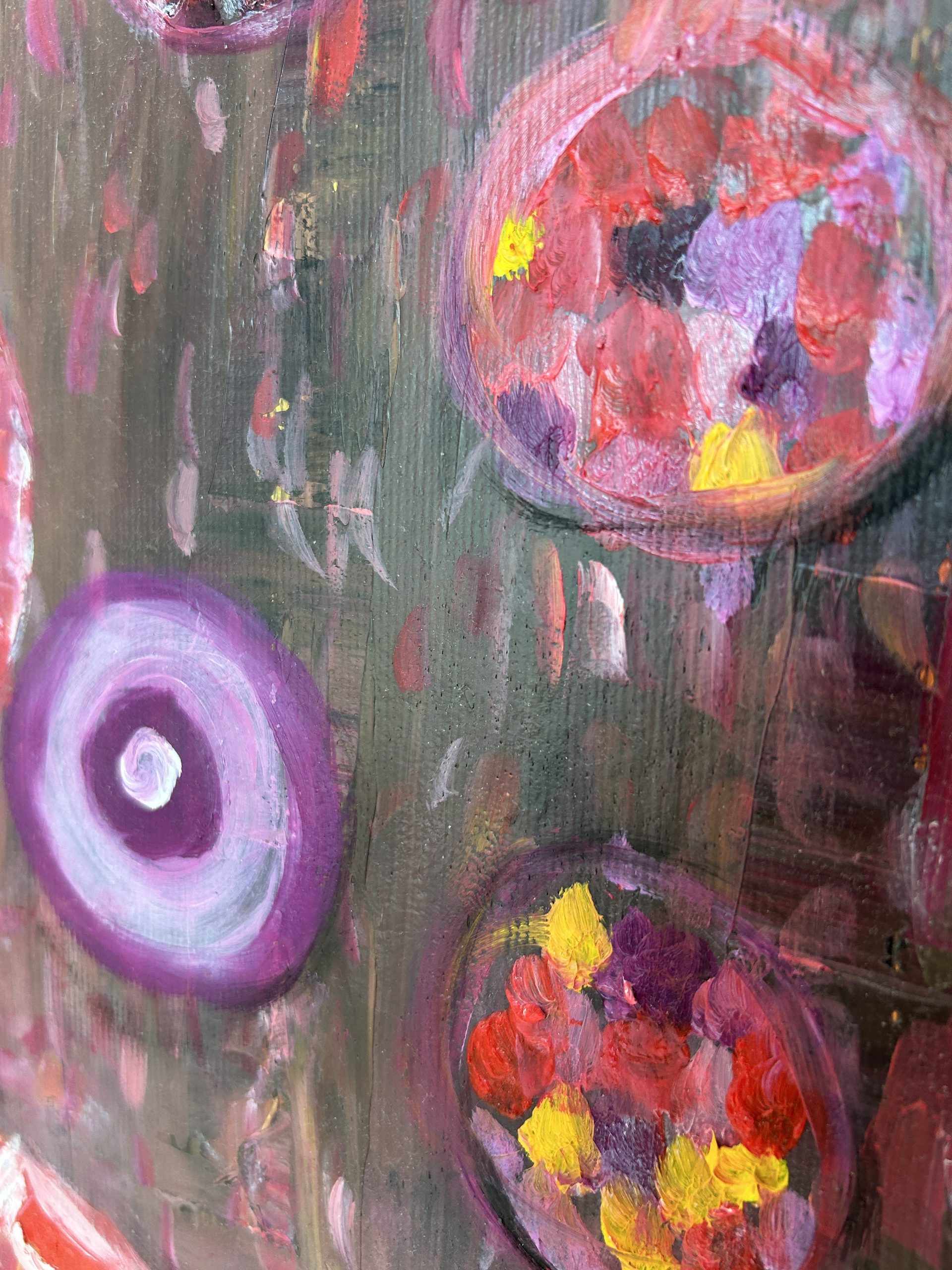
    Burri’s abstract oil painting titled “Optimistic Bias or It Remains a Black Box” explores concepts of cognitive distortion and systemic opacity through a complex, structured composition. The canvas is organized around an interplay of sharp geometric divisions and expressive color fields. Luminous yellows and vibrant reds interact with deep dark passages and neutral tones, establishing a stark visual contrast between clarity and obscurity.

    Compositionally, the work contrasts tightly framed rectilinear shapes with gestural, textured passages to create a sense of internal tension. The central dark elements—referencing the conceptual „black box“—anchor the arrangement, while surrounded by warm, saturated hues that suggest a distorted optimism. Stylistically, the piece balances the formal rigors of geometric abstraction with the physical, tactile qualities of gestural painting.
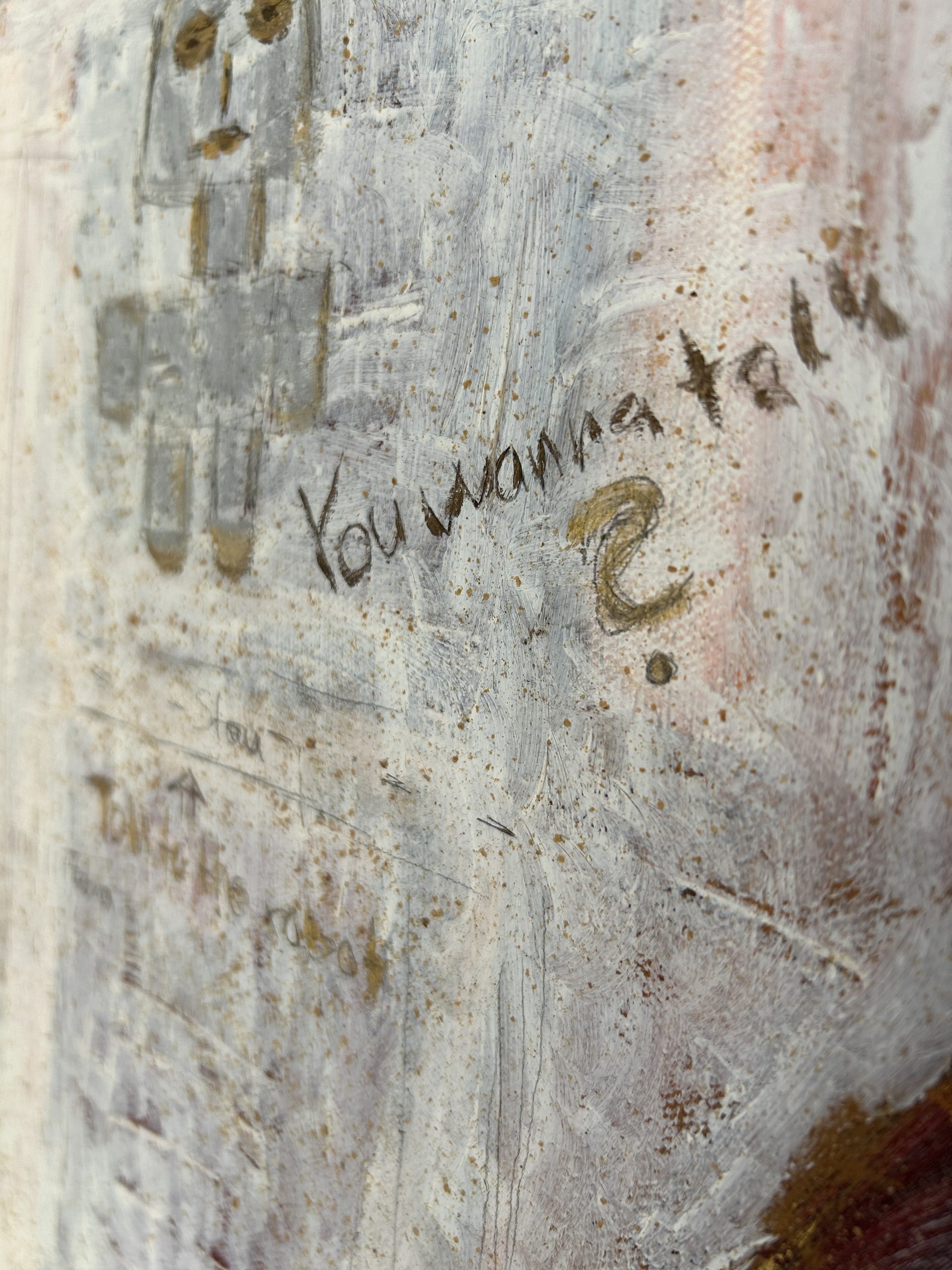
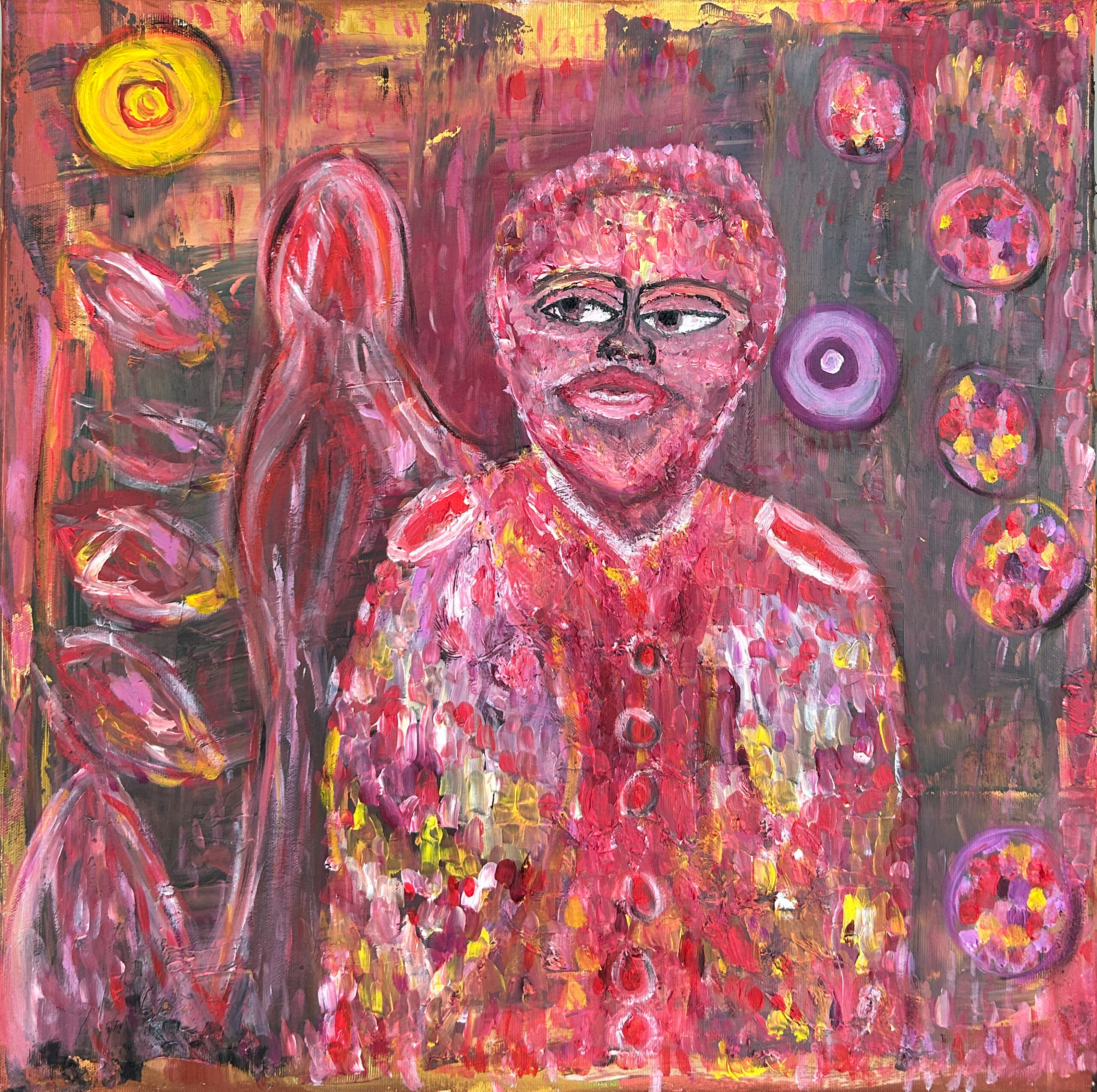
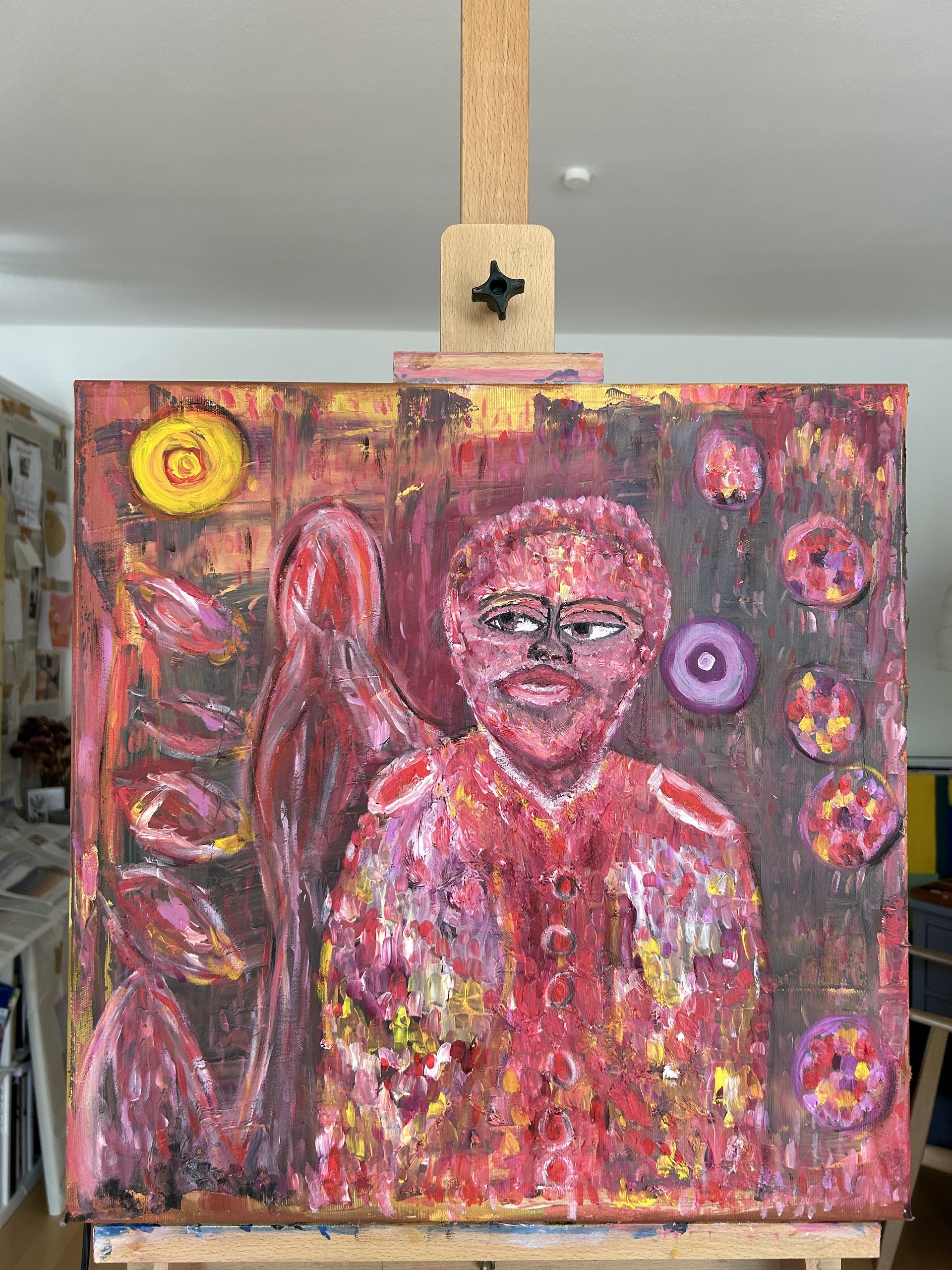
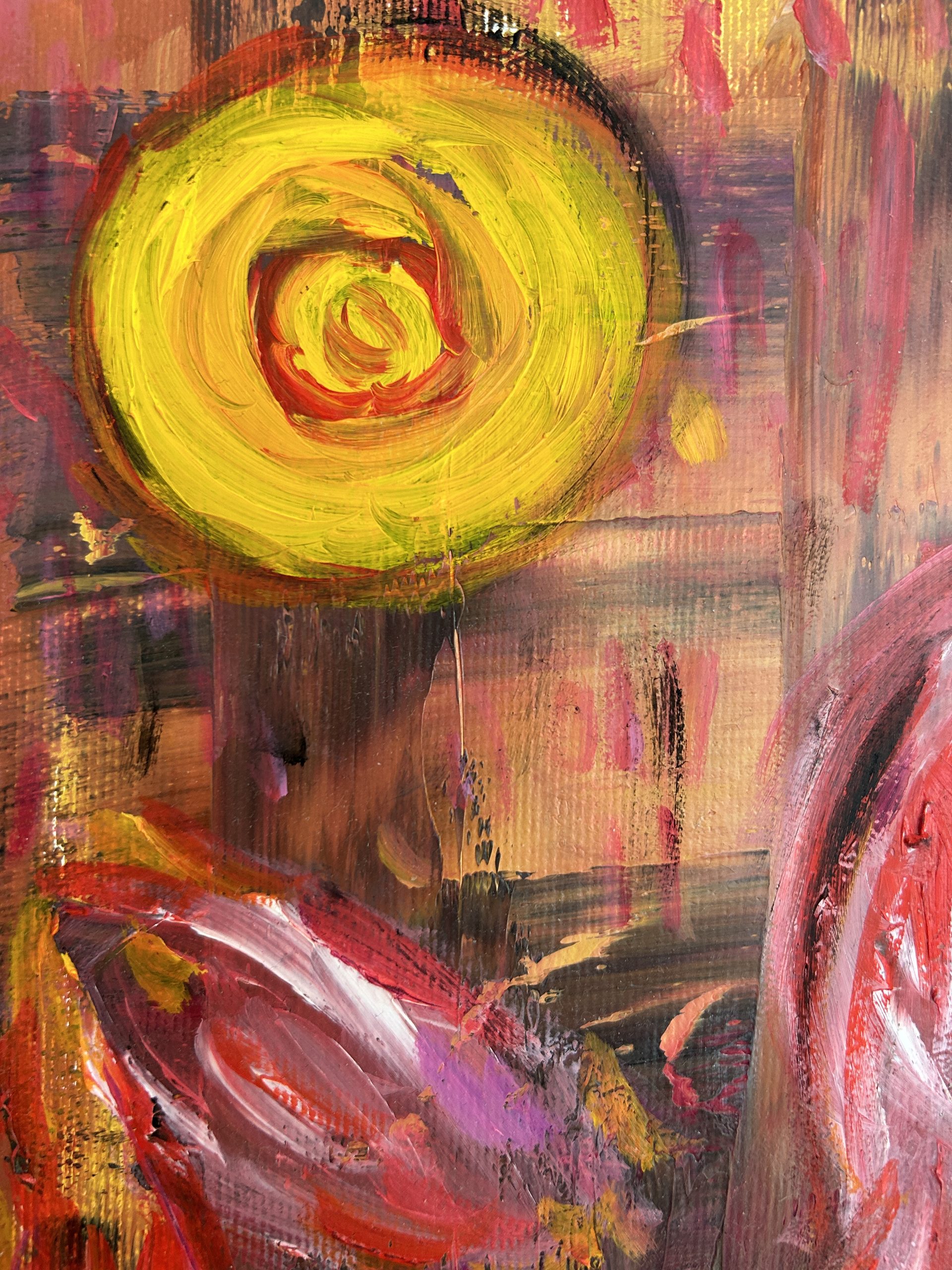
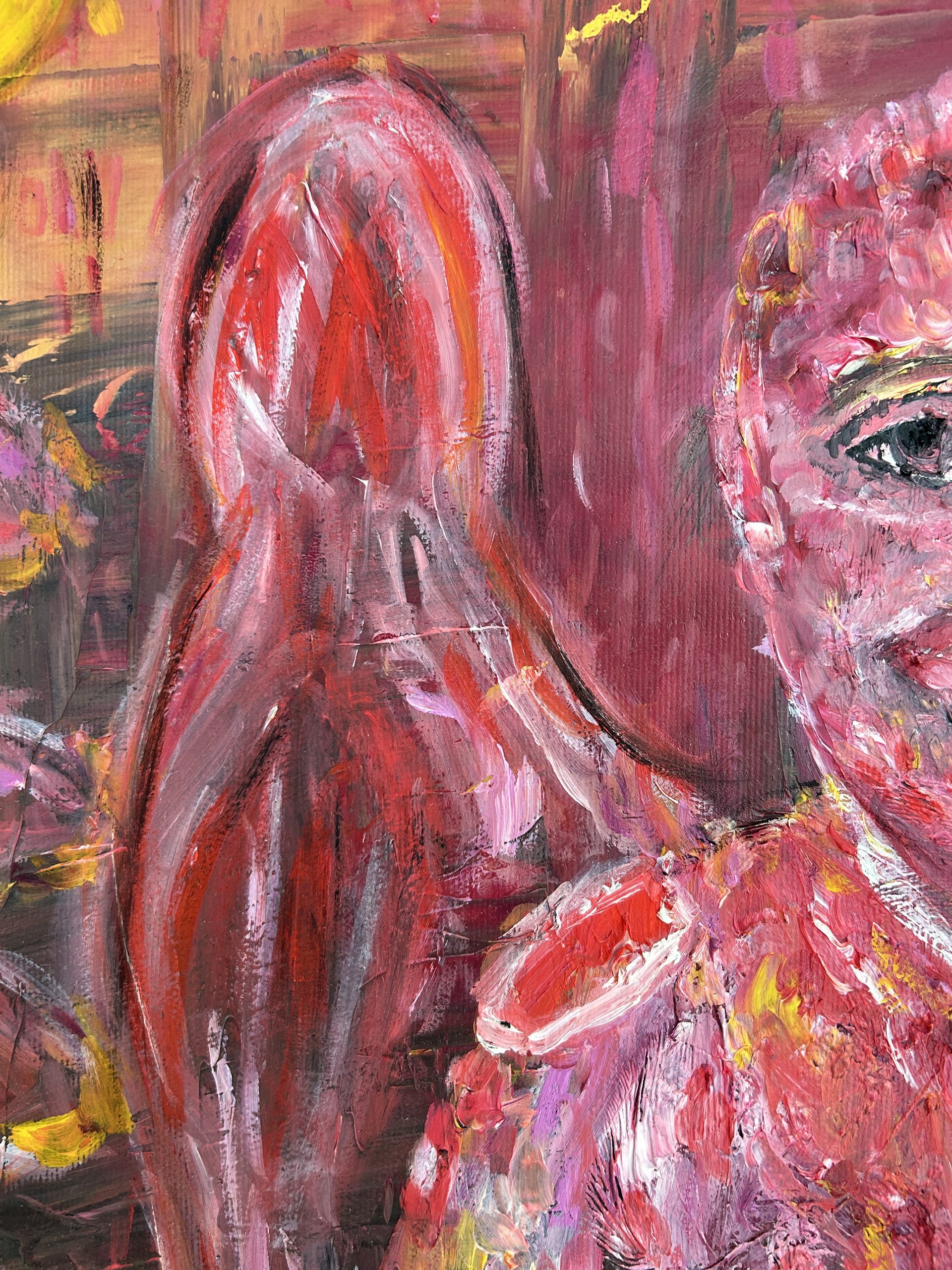
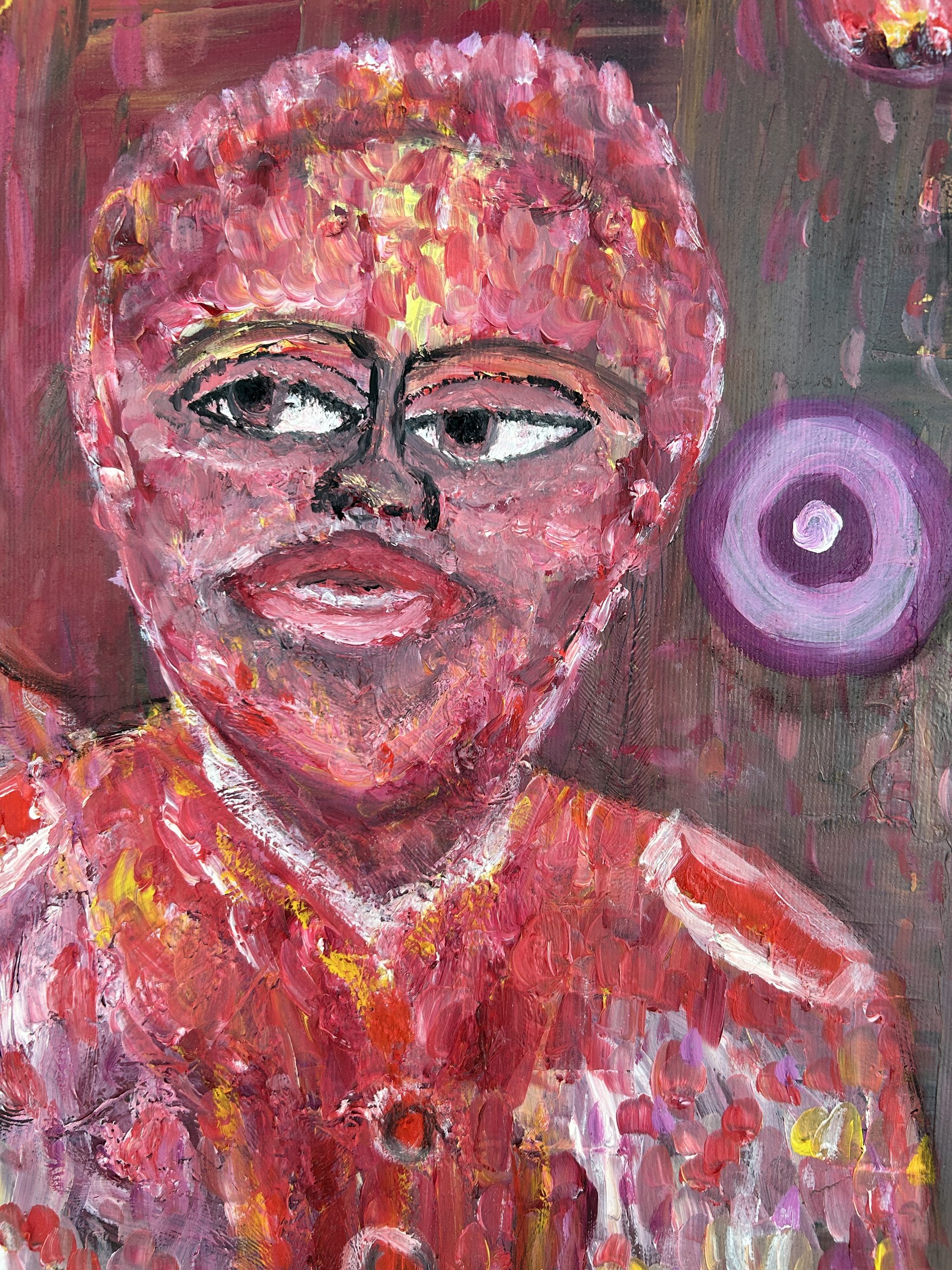
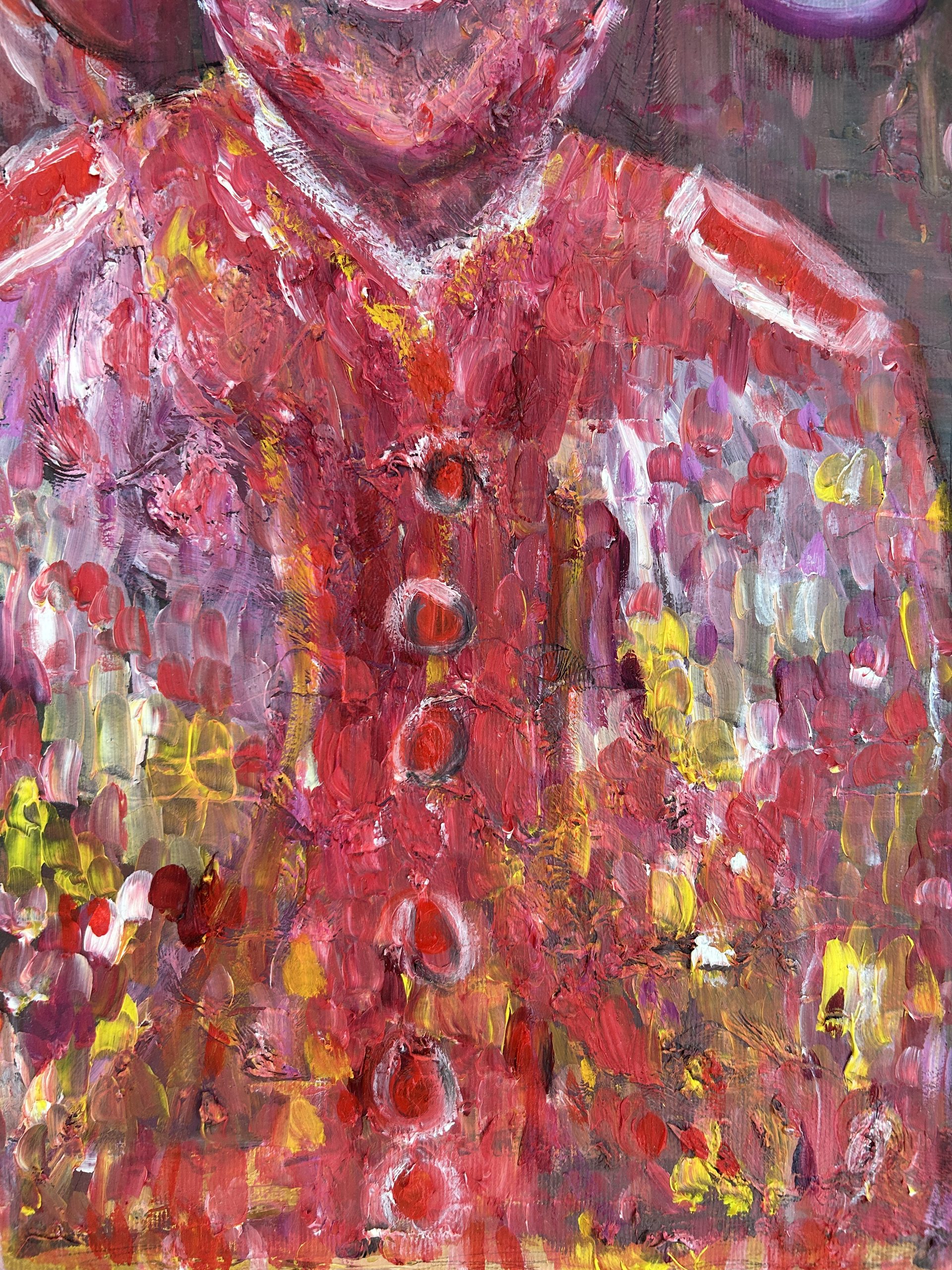
    At the center of the composition stands a prominent, semi-figurative portrait of a man, whose structured attire strongly evokes a ceremonial or military uniform. Positioned directly behind him, a shadowy, ethereal presence emerges—a ghostly silhouette that adds a psychological, haunting dimension to the narrative. Surrounded by floating, glowing circular forms, the relationship between the grounded central figure and the subtle, unseen companion reinforces the tension between conscious perception and hidden internal realities. Materially, the work is executed in oil on a pure cotton canvas, stretched over a pine wood support frame with dimensions of 50 x 50 x 2 cm.

    Deutsche Version

    Burris abstraktes Ölgemälde mit dem Titel „Optimistische Verzerrung oder es bleibt eine Blackbox“ untersucht Konzepte kognitiver Verzerrung und systemischer Undurchdringlichkeit durch eine vielschichtige, strukturierte Komposition. Die Leinwand ist um ein Wechselspiel aus scharfen geometrischen Segmentierungen und expressiven Farbfeldern herum organisiert. Leuchtende Gelb- und kräftige Rottöne treten in Interaktion mit tiefen, dunklen Passagen und neutralen Tönen, wodurch ein starker visueller Kontrast zwischen Klarheit und Verborgensein entsteht.
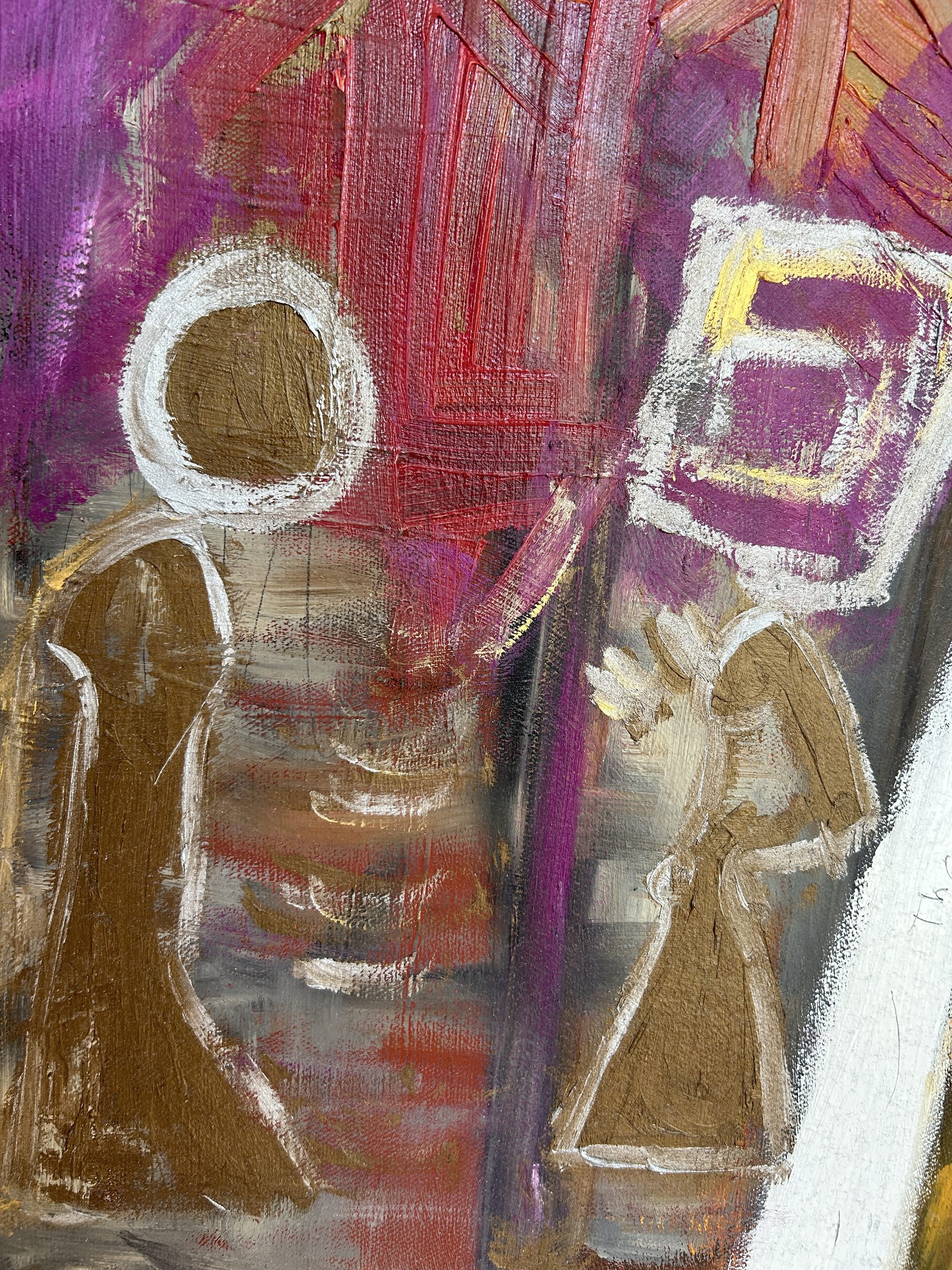
    Kompositorisch stellt das Werk eng gerahmte, geradlinige Formen gestischen, strukturierten Bereichen gegenüber, um eine interne Spannung zu erzeugen. Die zentralen dunklen Elemente – die auf die konzeptionelle „Blackbox“ verweisen – verankern die Anordnung, während sie von warmen, gesättigten Farbtönen umgeben sind, die eine optimistische Tendenz andeuten. Stilistisch balanciert die Arbeit die formale Strenge der geometrischen Abstraktion mit den physischen, haptischen Qualitäten der gestischen Malerei aus.

    Im Zentrum der Komposition steht das prominente, halb-figurative Porträt eines Mannes, dessen strukturierte Kleidung stark an eine zeremonielle oder militärische Uniform erinnert. Direkt hinter ihm zeichnet sich eine schemenhafte, ätherische Präsenz ab – eine geisterhafte Silhouette, die dem Werk eine psychologische, rätselhafte Tiefe verleiht. Umgeben von schwebenden, leuchtenden Kreisformen verstärkt das Zusammenspiel zwischen der präsenten Hauptfigur und ihrem verborgenen Begleiter die Spannung zwischen bewusster Wahrnehmung und unsichtbaren inneren Realitäten. Materialtechnisch ist das Werk in Öl auf reiner Baumwollleinwand ausgeführt, die auf einen Kiefernholz-Keilrahmen mit den Abmessungen 50 x 50 x 2 cm gespannt ist.

    Title / Titel: Optimistic Bias or It Remains a Black Box / Optimistische Verzerrung oder es bleibt eine Blackbox
    Year / Jahr: 2023
    Medium / Technik: Oil on canvas / Öl auf Leinwand
    Dimensions / Maße: 50 x 50 x 2 cm
    Status: Available / Verfügbar
    Sammler in Deutschland: Im Shop mirandolo.de erwerben
    International Collectors: Available via saatchiart

  • Condition 1 | Zustand 1

    Condition 1 | Zustand 1

    Zustand 1 Condition 1

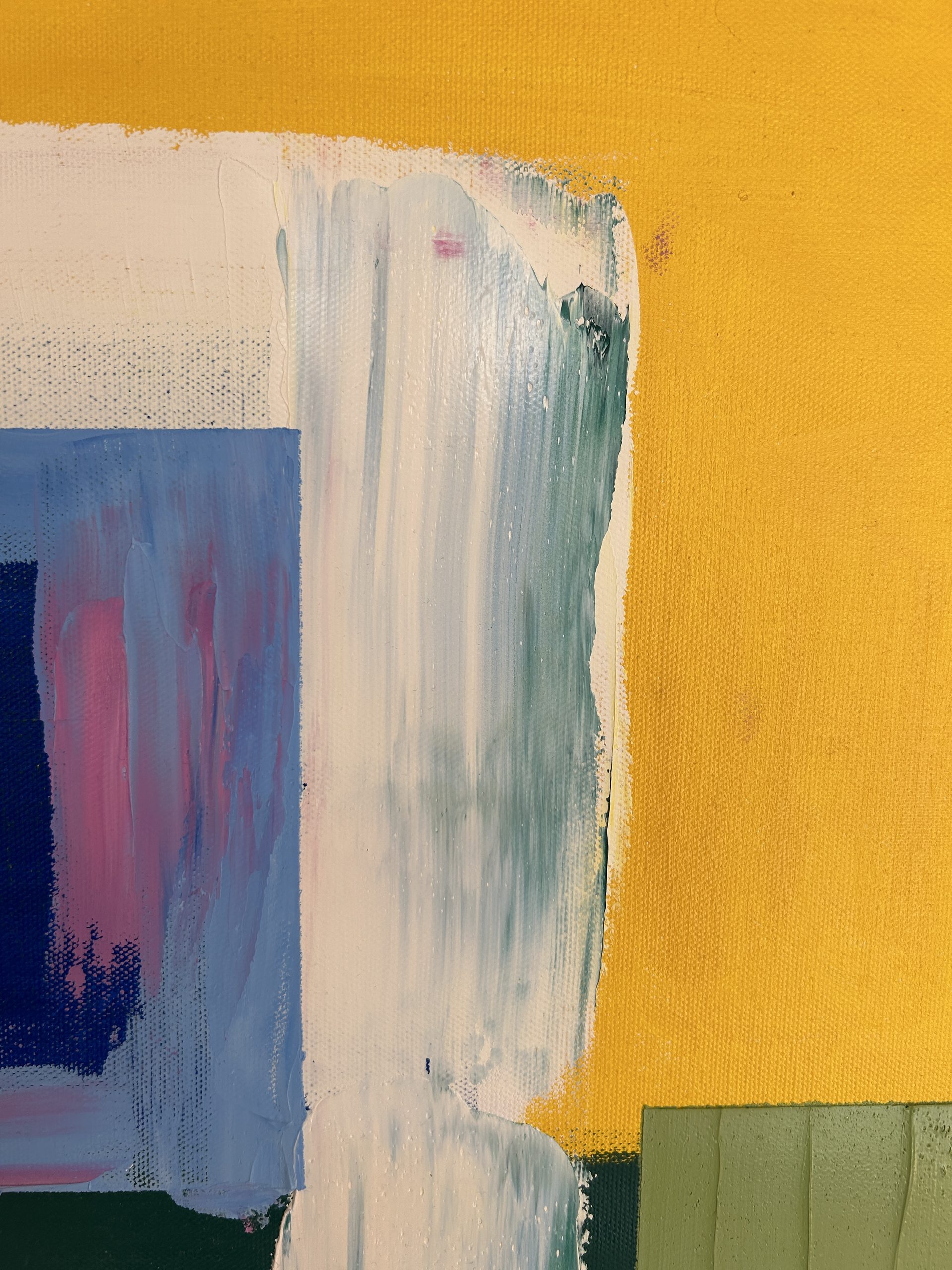
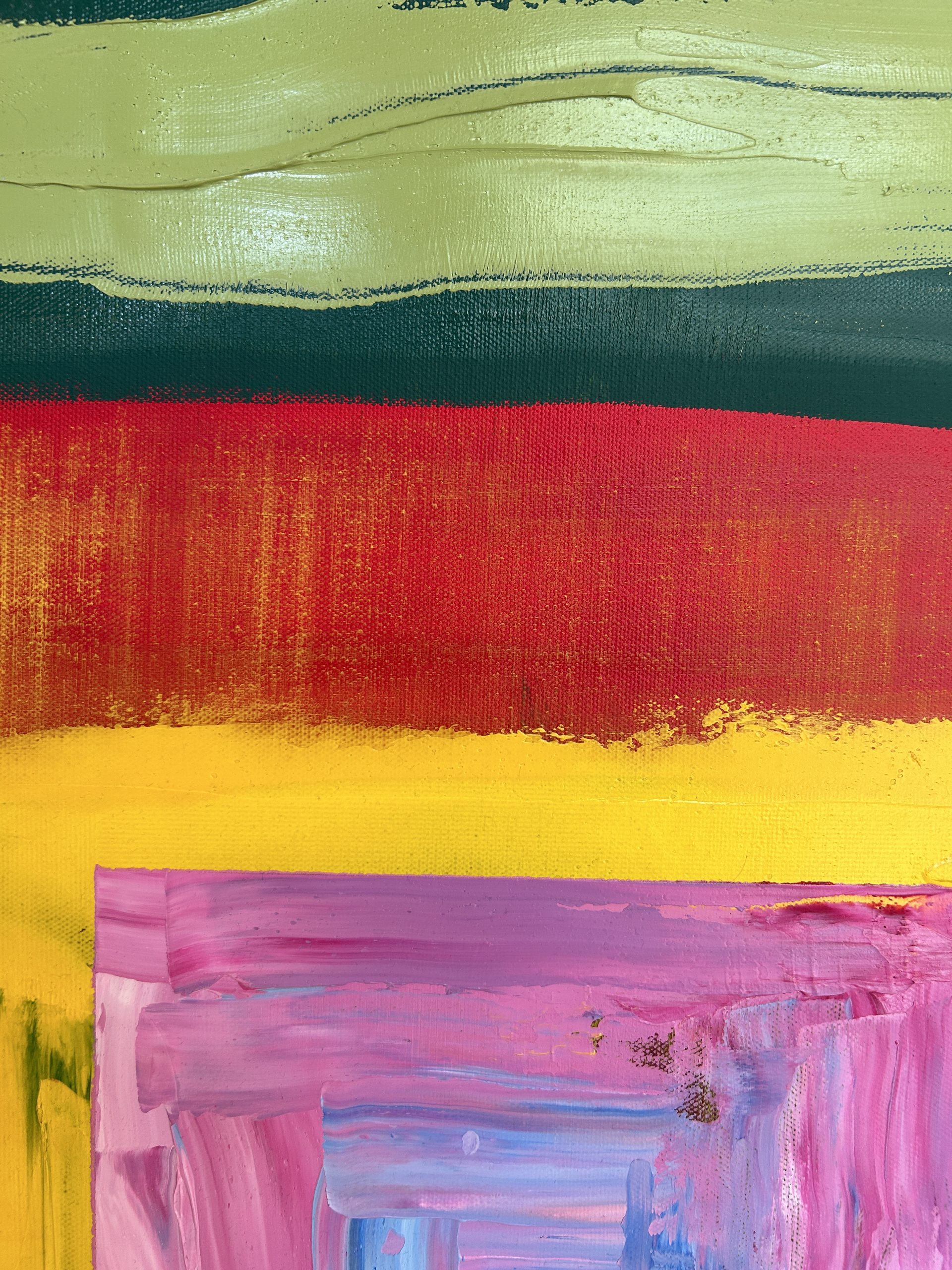
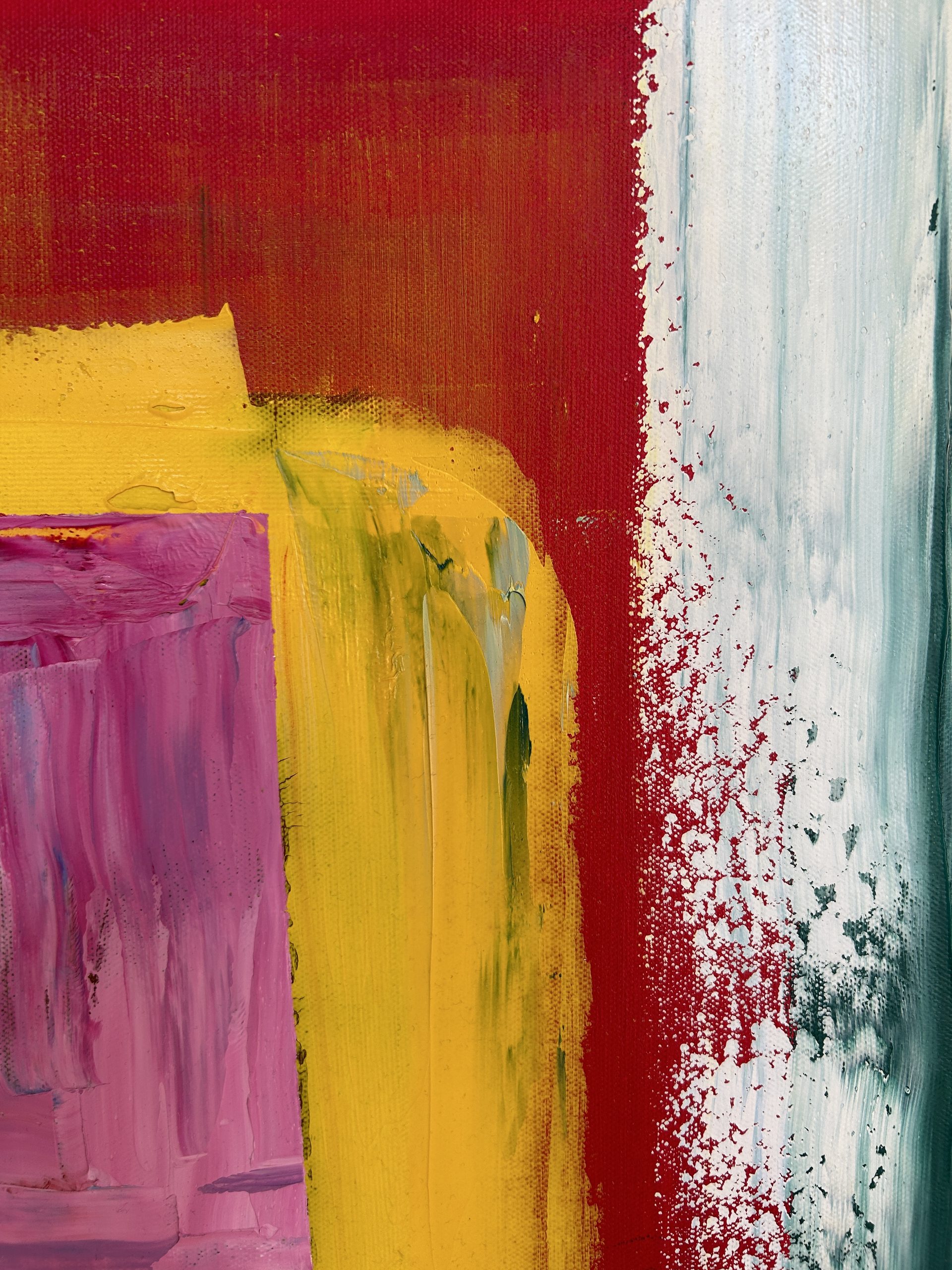
    Burri’s abstract oil painting titled “Zustand 1” presents a vibrant geometric composition characterized by highly saturated, chromatic color fields. The canvas is dominated by intense primary and secondary shades, featuring warm yellow, bright orange, and vivid red juxtaposed with deep blue, violet, and rich olive greens. Broad, gestural bands of off-white and pale yellow cut vertically and horizontally across the space, serving as structural grid lines that segment the pictorial surface into distinct rectangular and square fields.

    Compositionally, the work balances geometric division with a tactile, painterly application. The surface exhibits a varied texture, contrasting flat, solid color planes with areas of layered, expressive brushwork and gestural impasto—most notably within the framed pink-violet square in the lower-left quadrant and the vertical blue-purple field on the right. Through these bold color contrasts and dynamic spatial divisions, the painting establishes a high visual energy and structural balance without a singular focal point. Materially, the work is executed in oil on a pure cotton canvas, stretched over a pine wood support frame with dimensions of 100 x 100 x 2 cm.

    Deutsche Version

    Burris abstraktes Ölgemälde mit dem Titel „Zustand 1“ zeigt eine leuchtende geometrische Komposition, die durch hochgesättigte, chromatische Farbfelder geprägt ist. Die Leinwand wird von intensiven Primär- und Sekundärtönen dominiert, bei denen warme Gelb-, leuchtende Orange- und kräftige Rottöne tiefen Blau-, Violett- und satten Olivgrüntönen gegenübergestellt werden. Breites, gestisches Bandwerk in Off-White und Hellgelb durchzieht den Bildraum vertikal wie horizontal und fungiert als strukturelles Raster, das die Bildfläche in abgegrenzte rechteckige und quadratische Felder gliedert.

    Kompositorisch balanciert das Werk geometrische Segmentierung mit einem haptischen, malerischen Farbauftrag aus. Die Oberfläche weist eine variierende Textur auf und stellt flächige Farbzonen Bereichen mit mehrschichtigem, expressivem Pinselduktus und Impasto gegenüber – besonders deutlich zu sehen im gerahmten rosa-violetten Quadrat unten links sowie im vertikalen blau-violetten Feld auf der rechten Seite. Durch diese kühnen Farbkontraste und dynamischen Raumaufteilungen erzeugt das Bild eine hohe visuelle Energie und strukturelle Balance ohne einzelnen Blickfang. Materialtechnisch ist das Werk in Öl auf reiner Baumwollleinwand ausgeführt, die auf einen Kiefernholz-Keilrahmen mit den Abmessungen 100 × 100 × 2 cm gespannt ist.


    Title / Titel: Condition 1 / Zustand 1
    Year / Jahr: 2021
    Medium / Technik: Oil on canvas / Öl auf Leinwand
    Dimensions / Maße: 100 × 100 × 2 cm
    Status: Available / Verfügbar
    Sammler in Deutschland: Im Shop mirandolo.de erwerben
    International Collectors: Available via saatchiart

  • Red Dust, a Road, and a Lawn | Roter Staub, eine Straße und ein Rasen

    Red Dust, a Road, and a Lawn | Roter Staub, eine Straße und ein Rasen

    Red Dust, a Road, and a Lawn | Roter Staub, eine Straße und ein Rasen

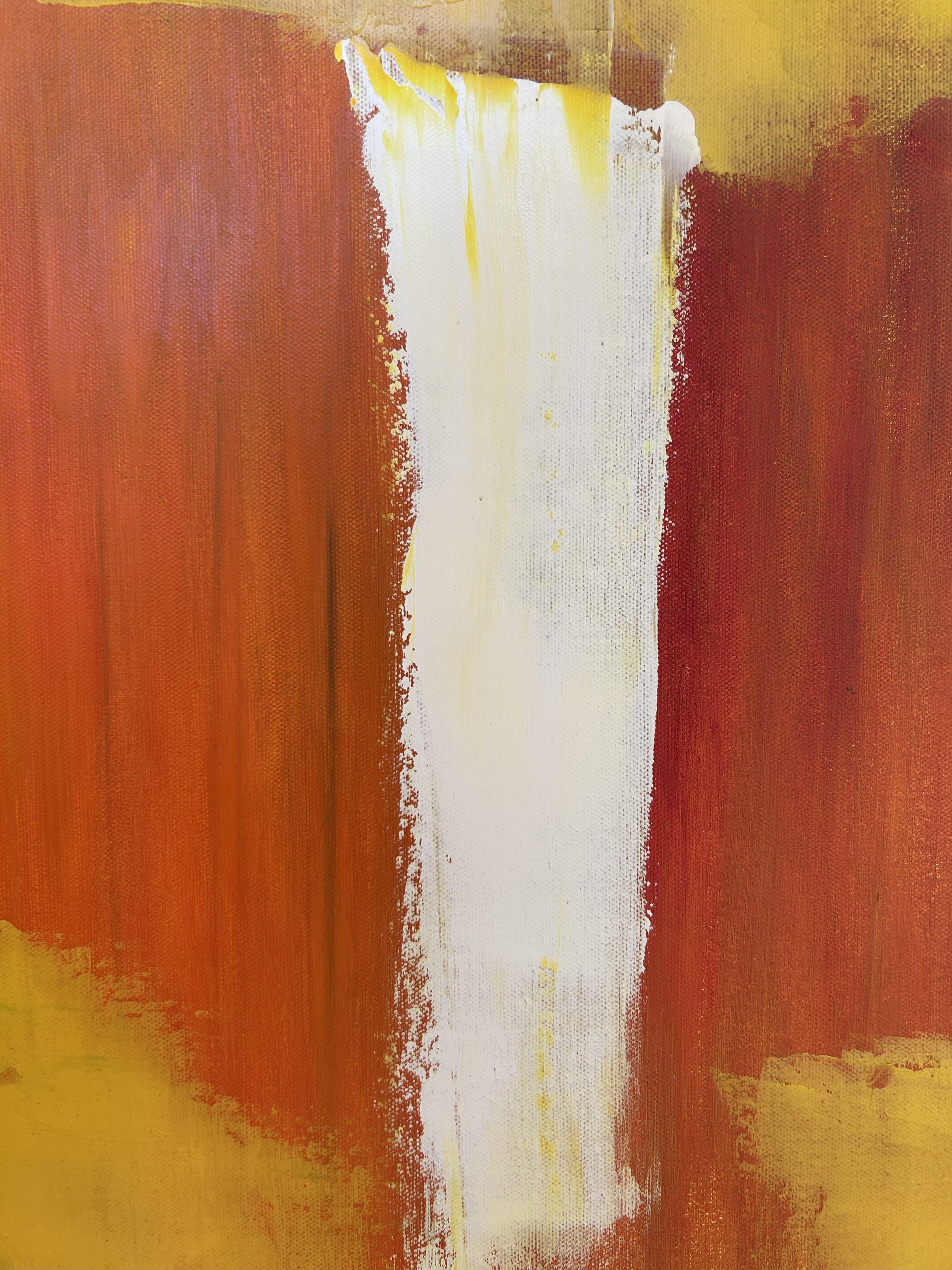
    Burri’s painting titled “Roter Staub, eine Straße und ein Rasen” presents a semi-abstract landscape composition structured by three distinct chromatic zones. A vibrant green color field signifies a lawn, while an earthy reddish-brown passage evokes red dust or soil. Connecting these two primary regions, a winding white linear form traces through the central field, establishing a spatial vector that represents a road cutting through the environment.

    Compositionally, the work balances geometric reduction with expressive surface application. The stark juxtaposition between the cool, saturated green and the warm, terracotta red creates a strong chromatic tension across the picture plane. Materially, the work is executed in oil on a pure cotton canvas, stretched over a pine wood support frame with dimensions of 100 x 100 x 2 cm.

    Deutsche Version

    Burris Gemälde mit dem Titel „Roter Staub, eine Straße und ein Rasen“ zeigt eine halb-abstrakte Landschaftskomposition, die durch drei ausgeprägte Farbzonen strukturiert ist. Ein leuchtend grünes Farbfeld deutet eine Rasenfläche an, während eine erdig rot-braune Passagen an roten Staub oder Erde erinnert. Ein geschwungenes weißes Band verläuft durch das zentrale Bildfeld und verbindet die beiden Hauptzonen als räumlicher Vektor, der eine Straße durch die Landschaft zieht.

    Kompositorisch balanciert das Werk geometrische Reduktion und expressiven Farbauftrag aus. Die Gegenüberstellung des kühlen, gesättigten Grüns mit dem warmen Terrakottarot erzeugt eine starke chromatische Spannung über die Bildfläche hinweg. Der gestische Ductus verleiht der Oberfläche eine subtile Haptik, während der fließende Verlauf der Straße eine dynamische Bewegung einführt, die die kontrastierenden horizontalen Felder verbindet. Materialtechnisch ist das Werk in Öl auf reiner Baumwollleinwand ausgeführt, die auf einen Kiefernholz-Keilrahmen mit den Abmessungen 100 × 100 × 2 cm gespannt ist.


    Title / Titel: Red Dust, a Road, and a Lawn / Roter Staub, eine Straße und ein Rasen
    Year / Jahr: 2018
    Medium / Technik: Oil on canvas / Öl auf Leinwand
    Dimensions / Maße: 100 × 100 × 2 cm
    Status: Available / Verfügbar
    Sammler in Deutschland: Im Shop mirandolo.de erwerben
    International Collectors: Available via saatchiart

  • The Man Who Sat There | Der Mann, der dort saß

    The Man Who Sat There | Der Mann, der dort saß

    Der Mann, der dort saß [The man that sat there]

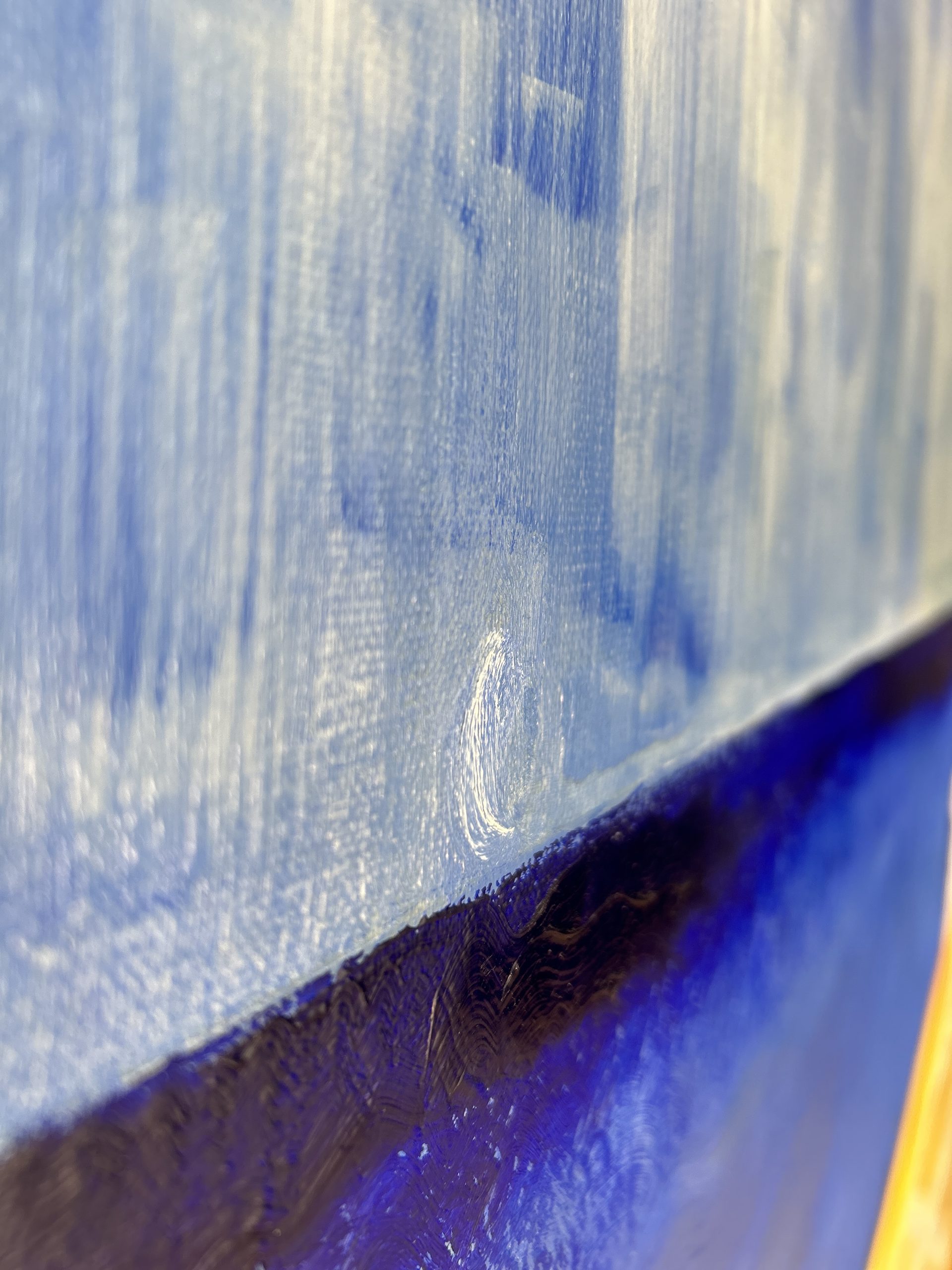
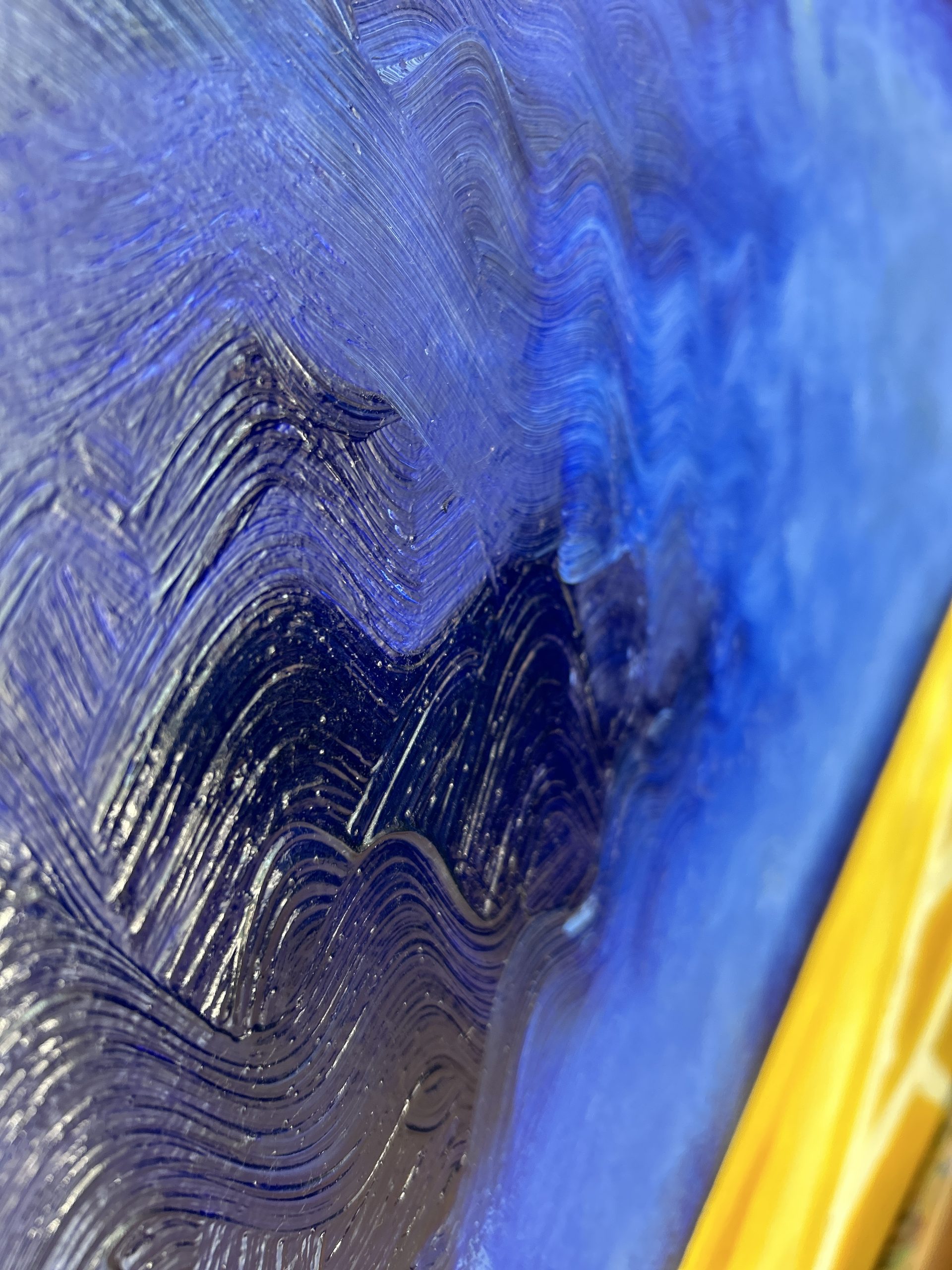
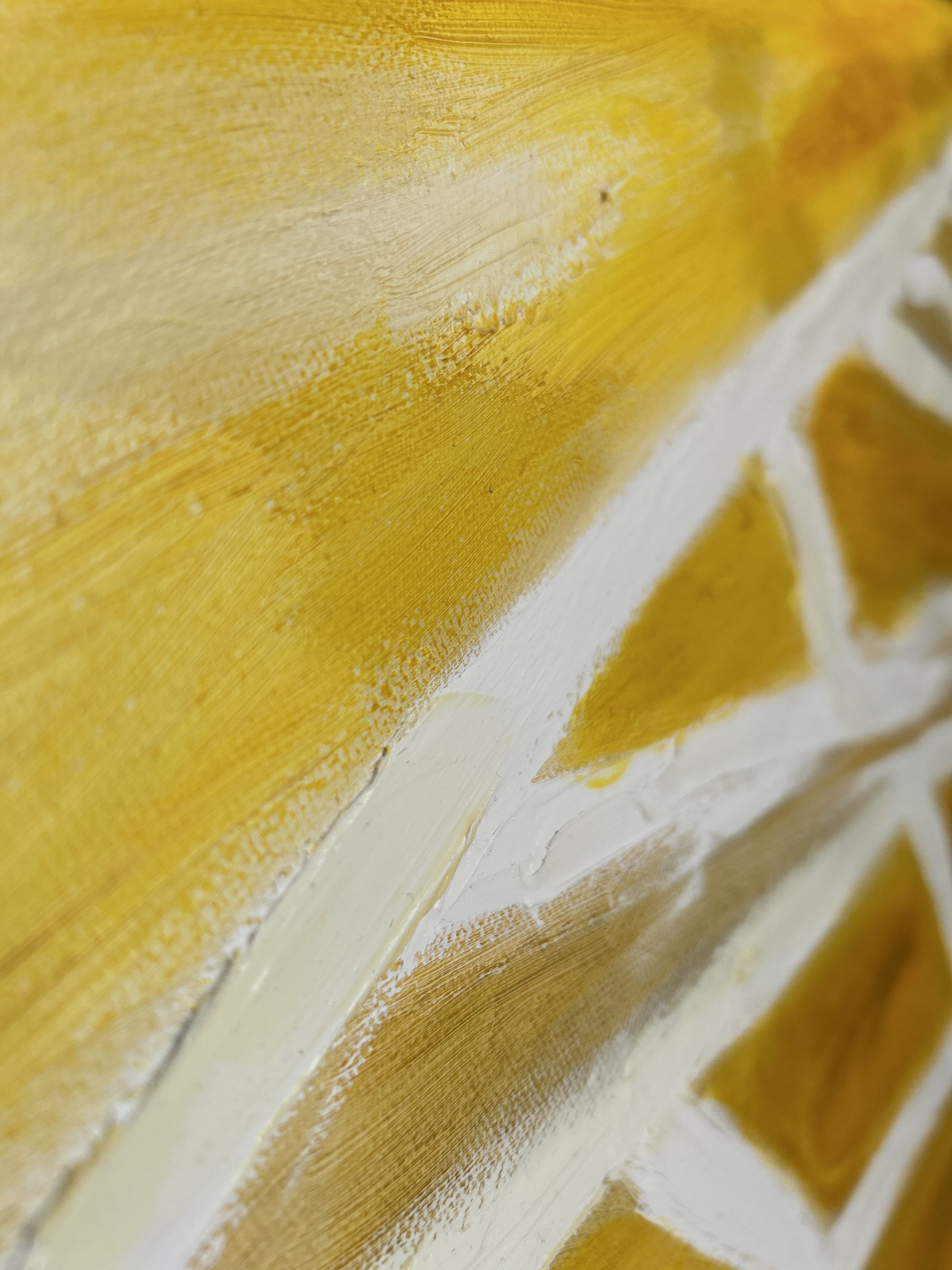
    Burri’s painting titled “Der Mann, der dort saß” presents a figurative narrative composition anchored by a golden-yellow and white pier extending into a vast expanse of deep ocean blue. The linear structure of the pier establishes a strong perspective vector, drawing the viewer’s eye toward the horizon line where the sea transitions into the sky. Positioned at the edge of the pier, a solitary white figure rendered in minimalist detail provides a singular human focal point within the environment.

    Compositionally, the work balances geometric structure and gestural fluidity, contrasting the hard-edged projection of the pier with the soft, dissolved contours of the clouds and horizon. The chromatic palette relies on high-contrast primary fields—luminous yellows against oceanic blues—that accentuate spatial depth and atmospheric scale. Through these structural and figurative choices, the painting examines themes of isolation, human presence, and spatial vastness. Materially, the work is executed in oil on a pure cotton canvas, stretched over a pine wood support frame with dimensions of 100 x 100 x 2 cm.

    Deutsche Version

    Burris Gemälde mit dem Titel „Der Mann, der dort saß“ zeigt eine figurativ-narrative Komposition, die durch einen in Goldgelb- und Weißtönen gehaltenen Pier verankert wird, der sich in die Ausdehnung eines tiefblauen Ozeans erstreckt. Die lineare Struktur des Piers bildet einen starken Perspektivvektor, der den Blick auf die Horizontlinie lenkt, an der das Meer in den Himmel übergeht. Am Rand des Piers platziert, bildet eine einzelne, in minimalistischer Ausführung gehaltene weiße Figur einen zentralen menschlichen Bezugspunkt innerhalb des Bildraums.

    Kompositorisch balanciert das Werk geometrische Struktur und gestische Fluidität aus, indem es die klar begrenzte Flucht des Piers den weichen, aufgelösten Konturen der Wolken und des Horizonts gegenüberstellt. Die farbliche Gestaltung stützt sich auf kontrastreiche Primärfelder – leuchtendes Gelb gegenüber ozeanischem Blau –, die die räumliche Tiefe und die atmosphärische Weite betonen. Durch diese strukturellen und figurativen Entscheidungen thematisiert das Bild Aspekte von Isolation, menschlicher Präsenz und räumlicher Ausdehnung. Materialtechnisch ist das Werk in Öl auf reiner Baumwollleinwand ausgeführt, die auf einen Kiefernholz-Keilrahmen mit den Abmessungen 100 × 100 × 2 cm gespannt ist.

    Title / Titel: The Man Who Sat There / Der Mann, der dort saß
    Year / Jahr: 2017
    Medium / Technik: Oil on canvas / Öl auf Leinwand
    Dimensions / Maße: 100 × 100 × 2 cm
    Status: Available / Verfügbar
    Sammler in Deutschland: Im Shop mirandolo.de erwerben
    International Collectors: Available via saatchiart